Mercury-based batteries weren't widely used due to their toxicity and high cost. It would be a real disaster if they leaked and caused harm to human health. However, a few years ago, these batteries were produced and could be recharged multiple times. However, this process resulted in a loss of energy. capacitydue to mercury flowing and accumulating in the battery.
To prevent this, scientists recommend adding magnesium hydroxide to the anode and adding silver powder to the cathode to make up to 9%. They also recommend replacing graphite with carbine.
The main feature of mercury batteries is their ability to operate in extremely adverse weather conditions. Furthermore, they have a long service life.
Mercury batteries and their characteristics
The anode is made of zinc. The cathode is made of mercury oxide. The diaphragm and separators carefully separate the electrodes. The diaphragm is impregnated with a 40% potassium hydroxide solution. Alkali is used as the electrolyte.
It can serve as a battery, but with cyclic use it capacityis rapidly decreasing.
The main advantages of mercury batteries:
- Can be stored for up to 10 years.
- They produce stable voltage.
- Work in any temperature conditions.
- Have high energy capacity.
Cons:
- High cost.
- Depressurization may be harmful to human health.
- It is necessary to organize collection and disposal.
Where are mercury batteries used?
Nowadays, they're practically nowhere to be found. But they used to be widely used in industries such as:
- Medicine.
- Army.
- Industry.
- Radio electronics.
Brands:
They can operate safely at temperatures ranging from -12 to +80 degrees Celsius and have low internal resistance.
DIY mercury battery
If you do not have certain skills in working with chemicals, we do not recommend that you repeat what is described below.
First, find a simple test tube. These are the kind chemistry teachers usually use. Next, take a thin glass tube. Place an iron wire inside the tube, ensuring that 1.5 to 2 millimeters of it protrude from the tube. This area should be insulated with wax or a similar material.
To make a mercury battery, in addition to the above-described equipment, you'll need 50 ml of 25% H2SO4. Dissolve the zinc in it. The zinc must be completely dissolved. Next, add an additional 50 ml of acid. After this, pour a small amount of mercury into a test tube and insert a glass tube with an insulated end.
Place a 1 mm thick lead plate so that it doesn't touch the mercury. Next, pour the prepared sulfuric acid into the test tube. That's it! The battery is ready! The metal wire will be the negative pole, and the lead end will be the positive. Now, cork the test tube.
To generate more energy, you can create several mercury batteries and connect them in series. One test tube has a current of about 2 amperes, and its voltage is about 2 volts. This mercury battery is reliable and can withstand high-voltage charging.
Photo of mercury batteries
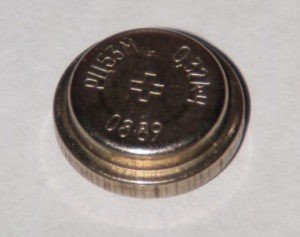
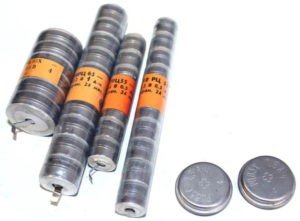
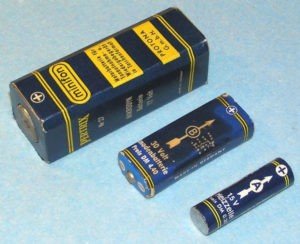
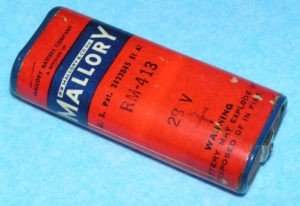
Mercury batteries are capable of generating stable current and voltage. They maintain these parameters at high levels until the very end. Then they quickly discharge, resulting in a gradual discharge.
Since mercury batteries had a high capacityIn the 1980s, they were widely used everywhere possible. List of devices where they were used:
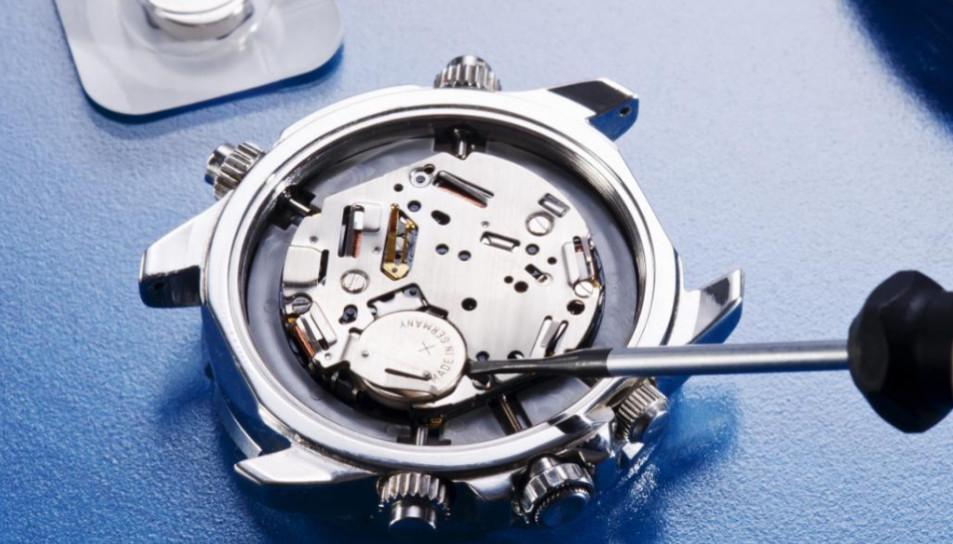
- Watch.
- Pacemakers.
- Hearing aids.
- Night vision devices.
- Photo exposure meters.
- Cameras.
- Spacecraft.
- Radio equipment.
After some time, everyone came to the conclusion that their production should be curtailed due to their high cost and toxicity. In 1982, up to 1,500,000 mercury batteries were produced annually worldwide.