Information about solar panels has spread around the world. Today, even a child knows what they are and what they're used for. But few understand whether they're cost-effective and how long they last. In this article, we'll figure it out!
Payback period for solar panels
Before purchasing a solar panel system and additional equipment, it's important to do some calculations. In some cases, where electricity is not very expensive, the payback period for solar panels will be long.
For what purpose do people usually take SB?
- Due to the lack of electricity in general, it is impossible or expensive to install power lines.
- Power supply is unstable. It may be out for several days.
- I want to save money.
Now we will discuss each case separately.
Calculating the payback period when there is no electricity at all
First, consider whether installing a power line might be cost-effective. Typically, this can cost up to 500,000 rubles. However, if there are many homes without power, then all the consumers might pool their resources and the cost might be small.
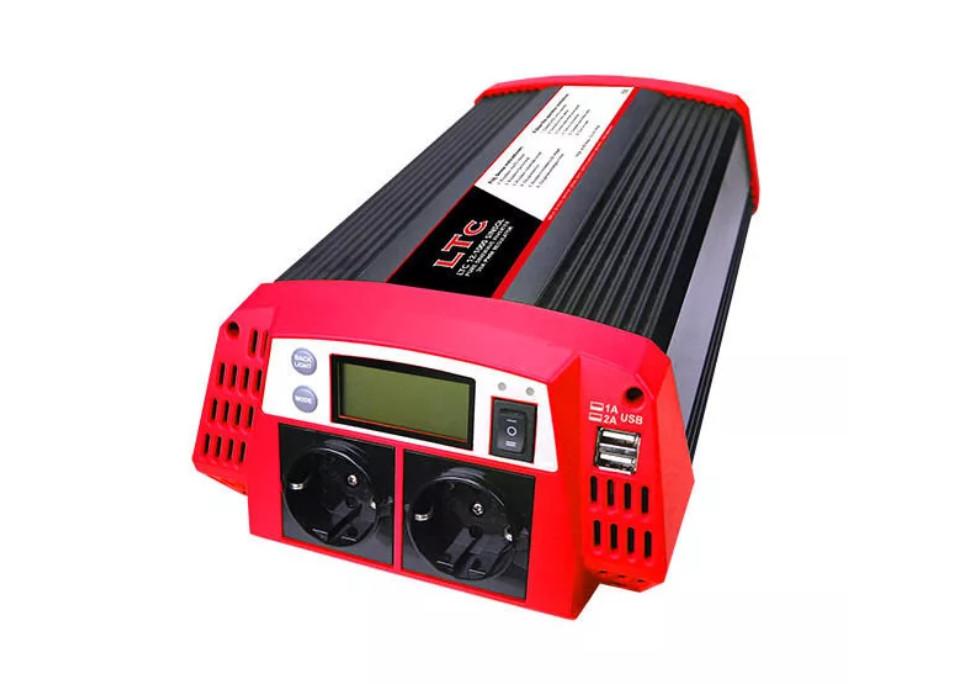
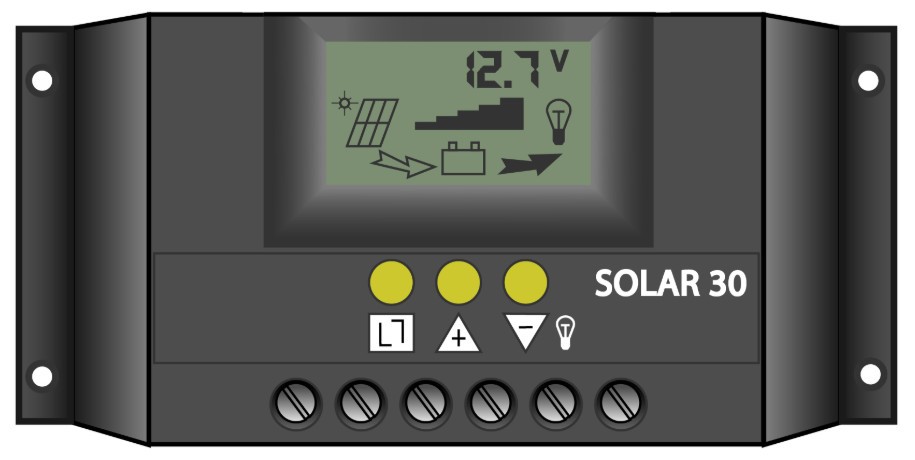
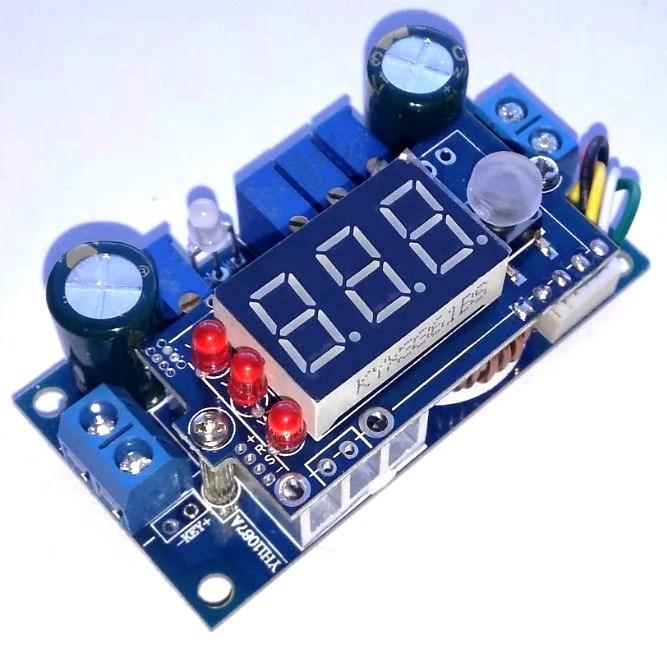
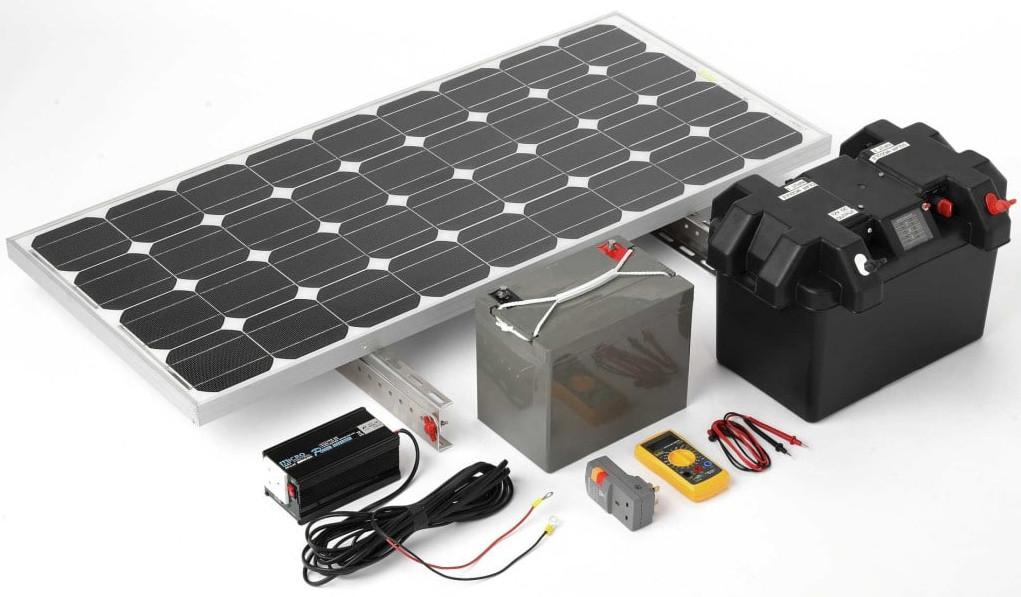
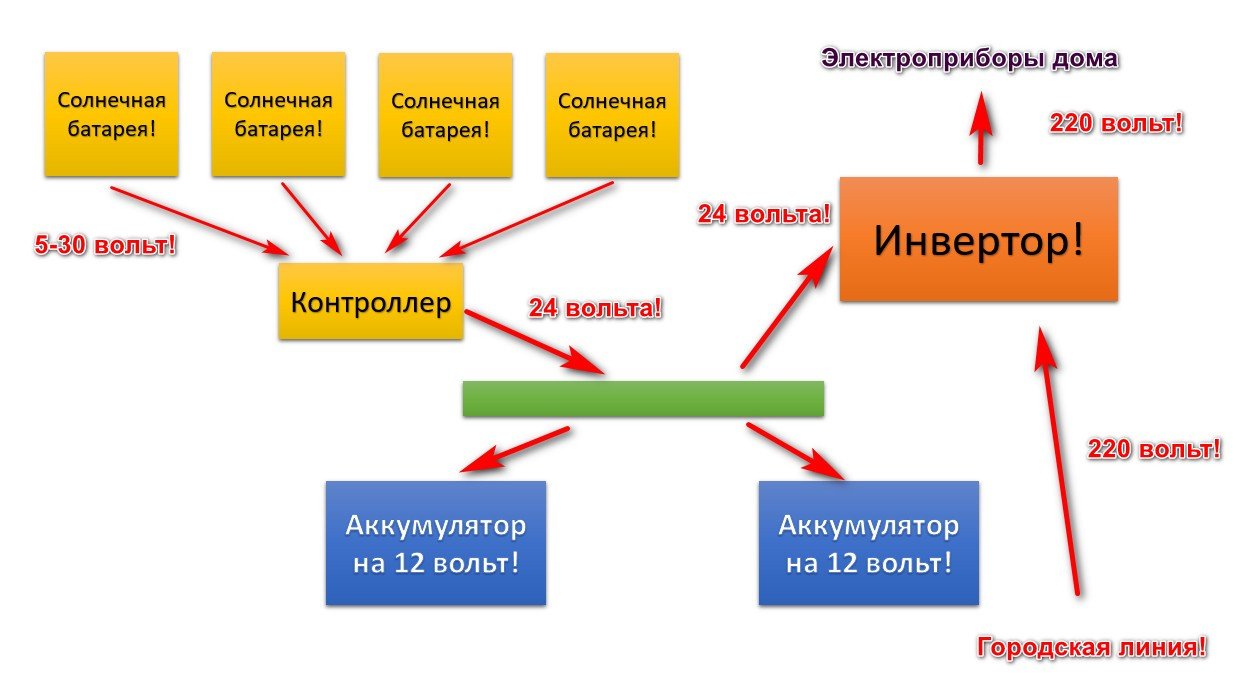
Depending on the light level, the batteries can produce between 5 and 30 volts. This voltage is sent to a controller, which converts it to 12, 24, or 48 volts. This voltage is then sent to the battery, where the electricity is stored. Then, an inverter is activated, generating 220 volts. It converts direct current to alternating current. Now you can power various appliances in your home!
The inverter can draw power from the power line to charge the battery. As soon as the power line is disconnected, the device will automatically begin generating 220 volts.
Now we need to think about how much electricity the house can consume at most and how much electricity is needed per day.
Based on the peak voltage, we can determine the required inverter power. We also need to determine how many watts the system can produce. The house's built-in electricity meter calculates this value.
Let's do the math in a small house. Here are the main electrical appliances that can consume electricity:
- Refrigerator – 2400 watts/day.
- One hundred watt light bulbs burning for 6 hours will consume 600 watts.
- A 100-watt TV will consume 600 watts in six hours.
As a result of these calculations for solar panels We conclude that our private home will consume 3,600 watt-hours per day. This energy can also be used to charge a computer, phone, and shave in the morning. In total, the total consumption could easily reach 4,000 kilowatt-hours per day.
For example, we have:
- 2 gel batteries with a total voltage of 24 volts and capacity100 watts each.
- The maximum depth of discharge is approximately 25%.
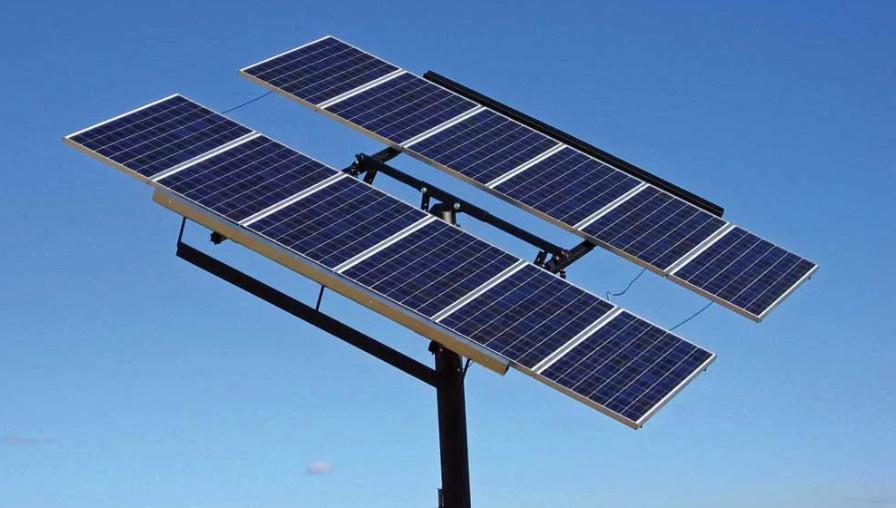
- We use 6 monocrystalline solar panels of 200 watts.
- Zenith angle 560
- Azimuth 180.
We'll set the average load in winter and summer to 4 kilowatt hours/day. We'll also determine your region on the map.
As a result, this is what we get:
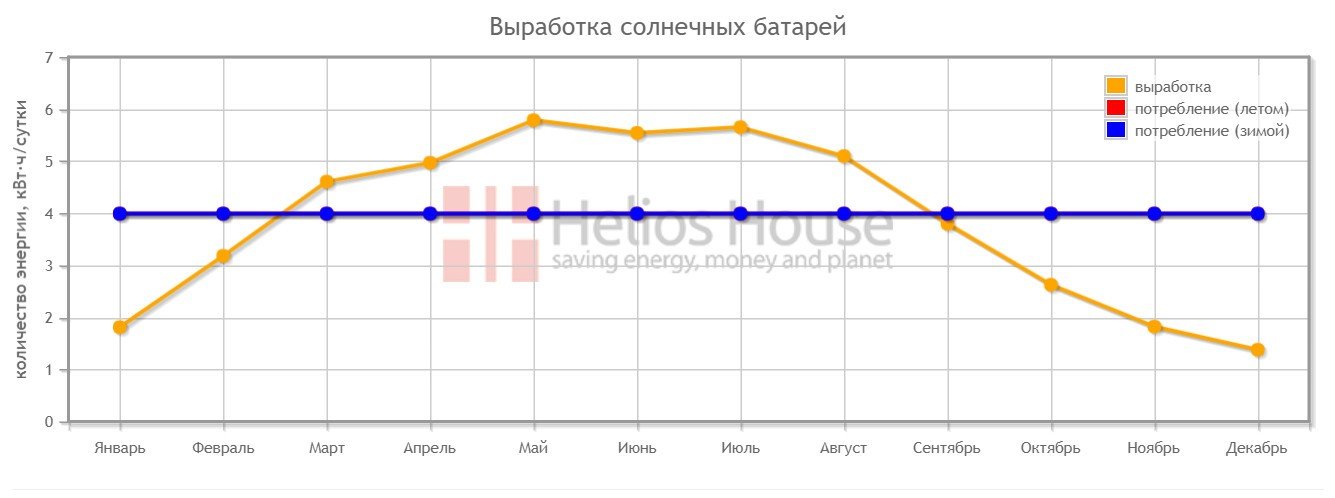

From this graph, we see that we'll have enough electricity from mid-February to September. We'll only have to wait four months. During this time, we can generate power, for example, from a wind generator. Or we could get a couple more panels and a more powerful inverter. However, this will increase the installation's payback.
In winter, we'll receive between 1.39 and 3.19 kilowatt-hours per day. In autumn, between 3.81 and 1.84 kWh.
Approximate calculation of a solar power plant:
- 6 modules of 200 watts will cost 70,000 rubles.
- A good 30 amp 48 volt controller will cost 35,000 rubles.
- A 3 kW inverter will cost 47,000 rubles.
- Four 100-amp-hour gel batteries will cost 60,000 rubles. However, if the controller is 24-volt, you can get by with two such batteries and save 30,000 rubles.
- Secondary inventory: fuses, surge protectors, thick wire, etc. All this will cost 16,000 rubles.
The total cost of solar panels is 230,000 rubles. But if you add installation, delivery, and additional consumables, it could easily reach 260,000 rubles.
In principle, if you visit this house only in summer and spring, then solar panels in this case, they will be completely profitable.
A case when there is periodic power outage
Here, you'll have to think hard about whether to collect solar energy or not. Let's say we have an electrical grid that produces 5 kilowatts. Let's assume that when there's no power for three hours a day, our consumption will be a certain value. This would result in a monthly consumption of 3 kilowatts.
To compensate for the energy loss, we purchase a 6-kilowatt inverter for 72,000 and connect it to the grid.
Important! The inverter can operate on single phase. If all the loads we need are on a single phase, then that's fine; we can install this inverter. But if we're using three phases, then we'll have to get three inverters. Then the whole thing will cost a pretty penny: 216,000 rubles.
The batteries should accumulate 9 kilowatt-hours of energy in 3 hours. They are charged using regular electricity.
The final output will be 750 A/h. Our batteries won't be completely discharged, but only to 20% capacity. The inverter delivers an efficiency of approximately 93%. As a result, we need to store 1008 ampere-hours in the batteries.
To achieve all this, we'll need four 240 Ah batteries. The batteries are quite heavy, at around 80 kg. They're gel batteries and cost around 34,000 rubles. So, the inverter + battery = 208,000 rubles. Plus the rack, cable, and fuse. The final cost is 224 thousand rubles.
If power outages are frequent and last for long periods, consider adding solar panels. This setup can also be equipped with a gasoline generator. As soon as the inverter detects that the batteries are deeply discharged, the generator will start. This will ensure a continuous supply of electricity to your home.
If you want to save money
In this situation, a hybrid inverter can be a solution, although it will be more expensive. However, such devices can easily combine electricity from solar panels with regular power from the power line. As a result, your electricity meter will read less.
Let's assume we installed the system from step one. But we added a hybrid inverter. The total cost was 320,000 rubles. We use a solar panel calculator to calculate this and see that the annual cost is 1958 kWh. If we factor in the inverter efficiency, we get 1858 kWh, which is a hundred kWh less. Next, we need to know your tariff. Let's say it's 3.89 rubles. Then our savings would be 7084 rubles.
The payback period for such a system is 45 years. The solar panels will last approximately 25 years. The battery and inverter will last for 12 years.
As a result, the system will provide two tangible advantages:
- If a private home's power line is disconnected, it can continue to draw power from the battery for several hours. All this will be powered by the UPS on the devices. Equipping the system with a generator ensures that the power supply won't be interrupted when the generator starts (usually, it's out for 30 to 120 seconds). Thanks to the inverter, the switchover to the battery will be instantaneous.
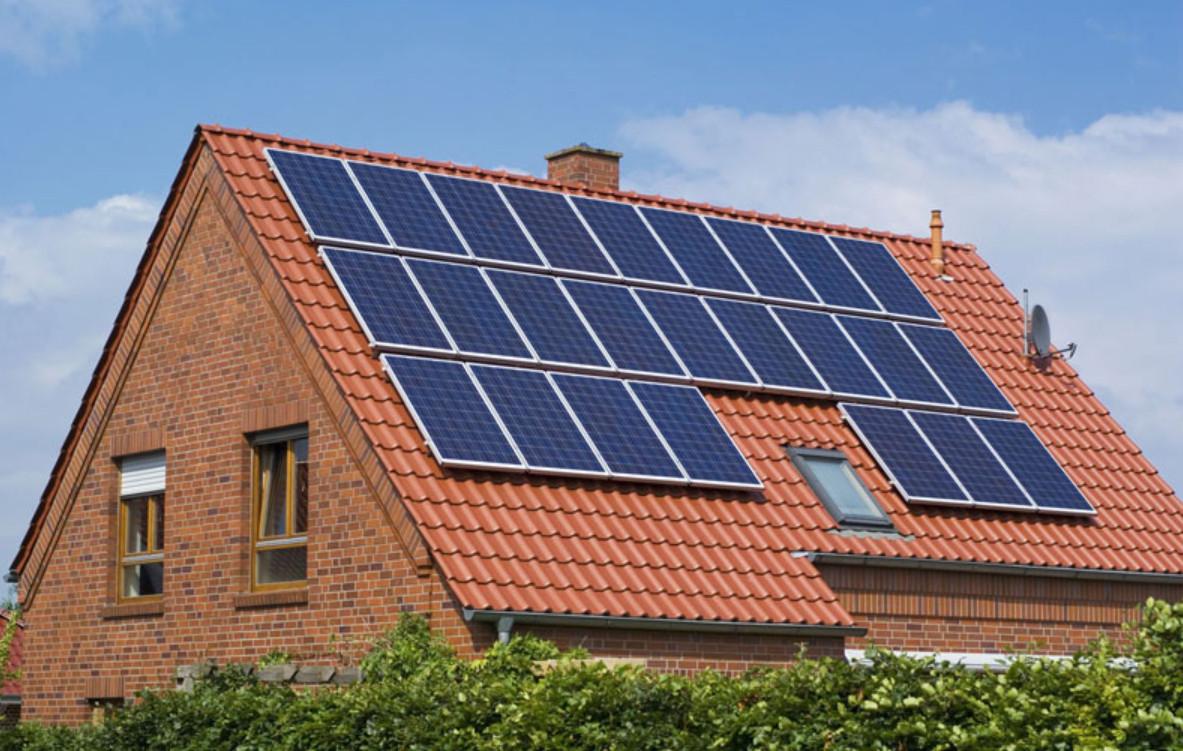
- Solar panels on your home will evoke positive emotions in passersby. They'll think you're home to someone who's committed to clean, modern technology. They'll also consider installing the same panels themselves. But first, they might ask how cost-effective they are and what the payback period for solar panels is.
If we were to do something similar in Europe, where electricity is much more expensive, the payback period would be 25 years. Plus, they're even willing to pay the owner of a solar power plant to distribute energy to others.
Some data:
Solar cell efficiency is around 20%. This depends entirely on the manufacturing technology. The highest possible efficiency has only been achieved in space-based solar cells, reaching a whopping 38%. This level of efficiency is currently unheard of in the world.
Solar panel power also depends on the specific technology and manufacturer. Typically, a larger cell can be significantly more powerful.
So, that's just the calculation for solar panels for a private home! For a more detailed calculation, use the dedicated online calculator.
What influences the payback period of solar panels?
Below are the main factors that increase the time it takes to return on investment.
- Interest rates on bank deposits are falling. People think that if they deposit money at interest, they can pay the profits for electricity. Or they can simply buy a solar system with the interest income. But in reality, this is a very dubious proposition. Interest rates fluctuate constantly.
- Rising electricity prices. If prices rise, it will be beneficial for you. The payback for your solar panels will be faster.
- The availability of affordable batteries and falling installation costs makes alternative energy more cost-effective, especially when prices are denominated in dollars. Those who bought solar panels when the dollar was 30 rubles have long since recouped their investment.
- Inflation. Any increase in electricity prices will make the SB a profitable purchase.