Nickel-cadmium batteries are secondary sources of electrical energy invented by Waldmar Jungner. In the late 19th century in Sweden, the device consists of a housing, two electrodes—anode and cathode—a separator, and an electrolyte. It differs from other batteries in the material used to make the electrodes and the electrolyte solution. These differences significantly impact the battery's technical characteristics.
Design and operating principle
Nickel-cadmium batteries (NiCd) operate on the principle of converting chemical energy into electrical energy through reversible reactions of nickel hydroxide (NiOOH), cadmium (Cd), water (H2O). As a result, nickel hydroxide Ni(OH) is formed.2 and Cd(OH)2, appears EMF.
Chemical reactions occurring in a battery:
During charging: 2Ni(OH)2+ Cd(OH)2 → 2NiOOH + Cd + 2H2O
During discharge: 2NiOOH + Cd + 2H2O → 2Ni(OH)2+ Cd(OH)2
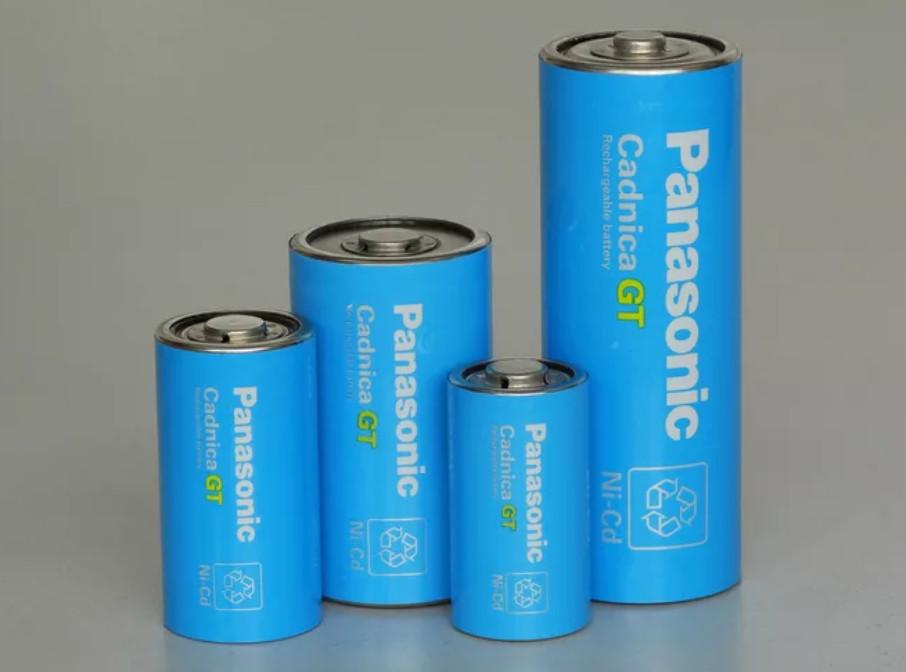
Nickel-cadmium batteries are manufactured in a dense metal case, inside which the nickel and cadmium electrodes are separated by a separator, and an alkaline solution (potassium hydroxide) serves as the electrolyte. The anode is a foil or steel wire mesh coated with a mixture of nickel hydroxide and a conductive material. The cathode is also a steel mesh or foil, with cadmium spongy metal pressed into the cells.
Varieties
Nickel-cadmium batteries according to their form they are:
- Cylindrical ones - they received a second name - "banks".
- Flat - disc or "tablet"
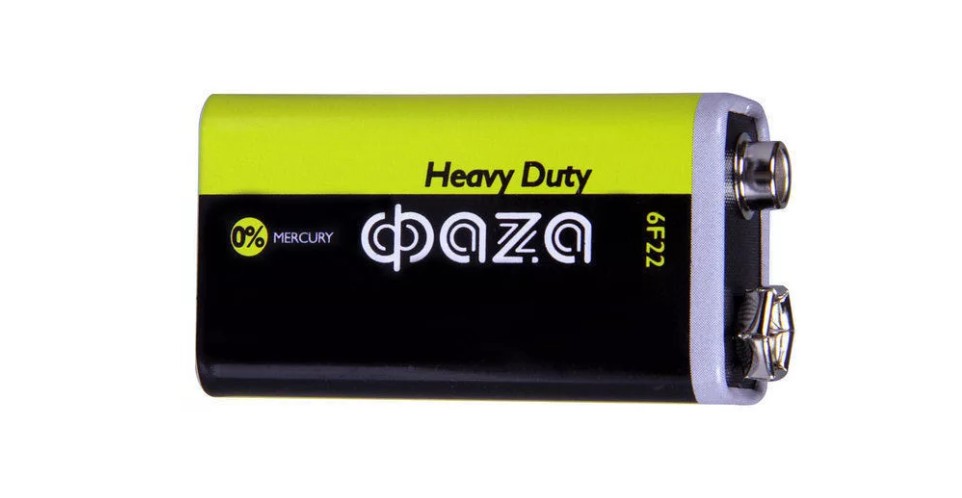
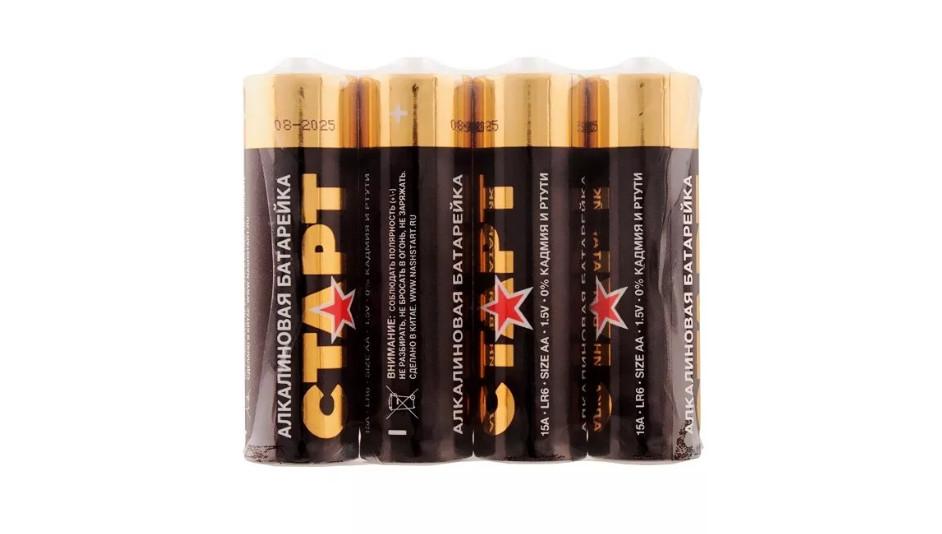
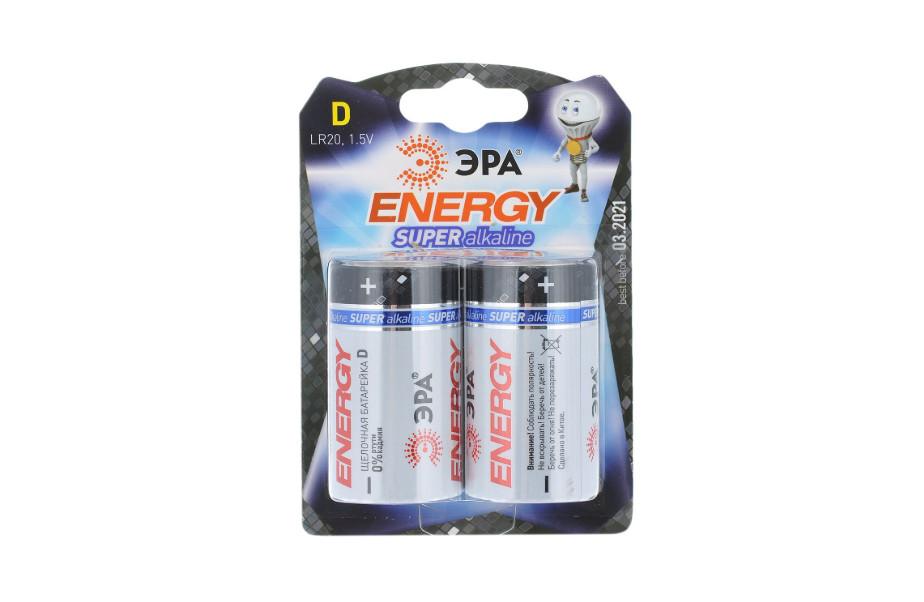
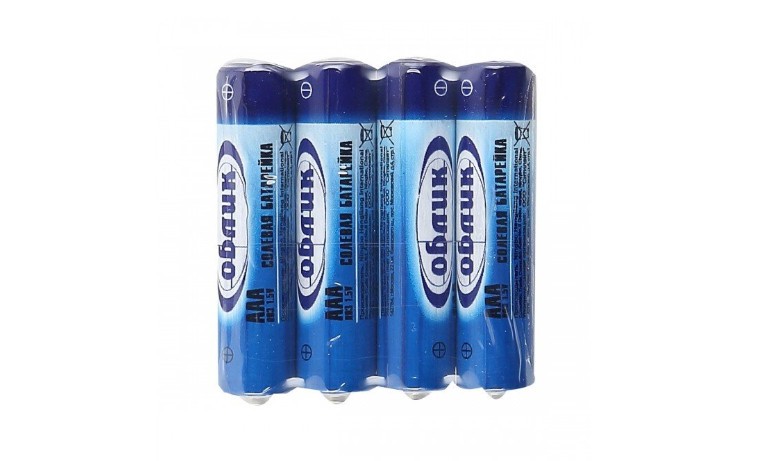
The cylindrical size range consists of several basic standard types:
| Designation | Diameter, mm | Length, mm | Weight, g |
| A | 17 | 50 | 32 |
| AA | 14.2 | 50 | 21 |
| AAA | 10.5 | 44.5 | 10 |
| 1/2 SC | 23 | 26 | 30 |
| SC (sub C) | 23 | 43 | 52 |
| C | 26 | 46 | 72 |
| D | 33 | 58 | 105-145 |
| F | 33 | 91 | 231 |
| SF (super F) | 41.4 | 89.1 | 393 |
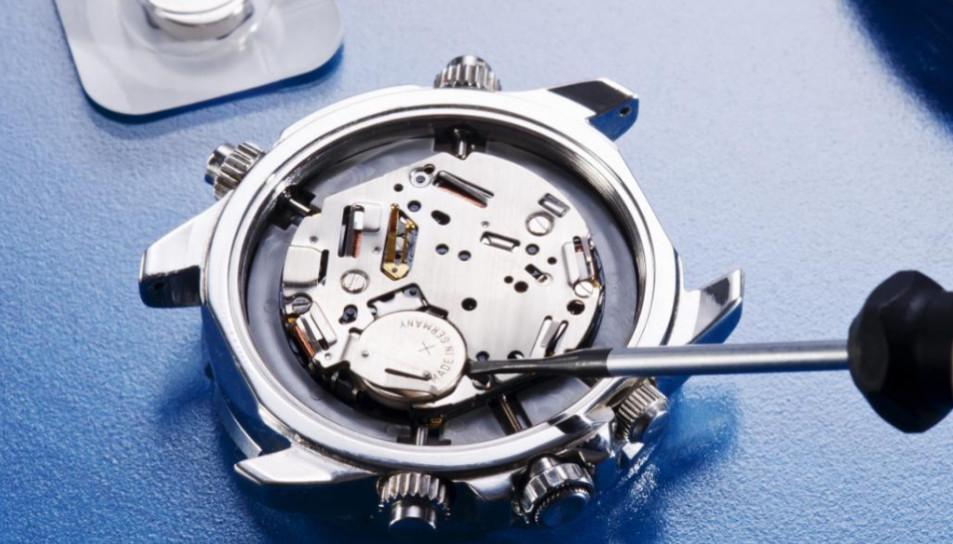
Disc batteries or "tablets" were quite popular in the countries of the former USSRModern cadmium analogues of the Soviet "tablets" are used in watches, photo flashes, hearing aids, cameras, flashlights.
Characteristics
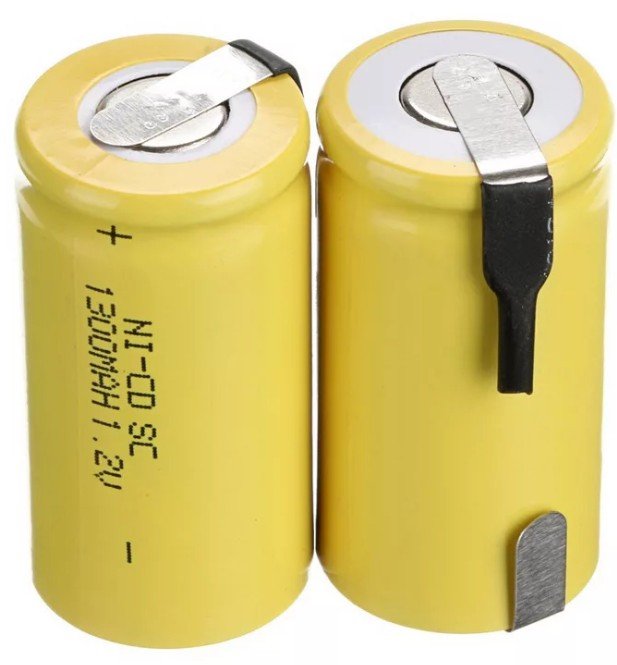
- The nominal voltage of one element is 1.2 V.
- Operating temperature range: from +40 to -50OWITH.
- The possibility of full charge-discharge is from 100 to 1000, modern improved models reach 2000 cycles.
- Self-discharge rate is about 10% per month.
Advantages
Nickel-cadmium batteries have a number of advantages over others:
- Possibility of operation at sub-zero temperatures.
- Fast charging speed and slow battery discharge.
- Operation under extreme industrial conditions (resistance to shock, impact, high loads, increased dust, sub-zero temperatures).
- Multiple charge-discharge cycles – 1000 or more.
- Long service life - up to 10 years.
- Long shelf life, even when uncharged – about 5 years.
- Relatively low cost.
Flaws
The disadvantages include:
- Memory effect is the loss of capacity when charging a cadmium battery that is not completely discharged.
- The toxicity of the internal contents means that environmental safety regulations must be observed during disposal.
- Self-discharge - after one year of storage, a fully charged nickel-cadmium battery will be completely discharged.
- The process of battery recovery after long-term storage takes several full charge-discharge cycles.
- The low voltage of a single cell is 1.2 V. To increase the output voltage of the battery, several cells are connected in series.
Application
Cadmium batteries, Due to their characteristics, they are used in devices with high current consumption and high operating loads:
- River and sea transport.
- Air transport - airplanes, helicopters.
- Ground electric transport - trams, trolleybuses.
- Military equipment.
- Industrial production - electric cars.
- Power tools - drills, screwdrivers.
- Household appliances - electric razors, flashlights.
- Radio engineering – portable intercoms, radio-controlled toys.
Conclusions, recommendations
- Ni-CD batteries don't heat up during operation because the chemical reactions inside are endothermic, meaning the generated heat is absorbed. This property reduces the risk of overheating and extends their service life.
- The presence of a tight, sealed casing, capable of withstanding aggressive external influences (temperature and pressure changes, chemical destruction), makes nickel-cadmium batteries resistant to spontaneous combustion.
- In industrial plants, cadmium batteries continue to serve reliably for 10-20 years, despite new modern analogues, and therefore do not require replacement.
To extend the life of nickel-cadmium batteries, they need to be charged correctly:
- For high-quality charging, you need to use special chargers (ZU).
- It is not recommended to charge a battery that is not completely discharged - crystallization will occur, the surface area of the substance will decrease, and the capacity.
- Constant recharging - resulting from overheating and a decrease in the amount of water in the electrolyte - will lead to the destruction of the electrodes and separator.
- Undercharging will deplete the life of the NiCd battery.
- To eliminate the “memory effect”, the battery capacity must be restored by carrying out several charge-discharge cycles.
- The charging process is best carried out at a temperature of 20OWITH.