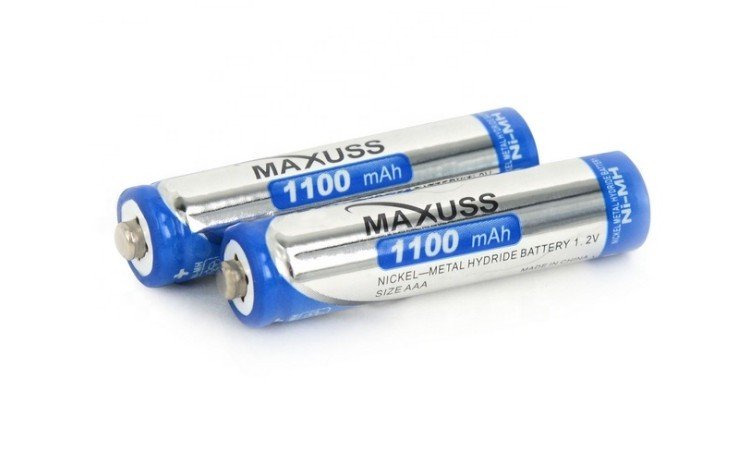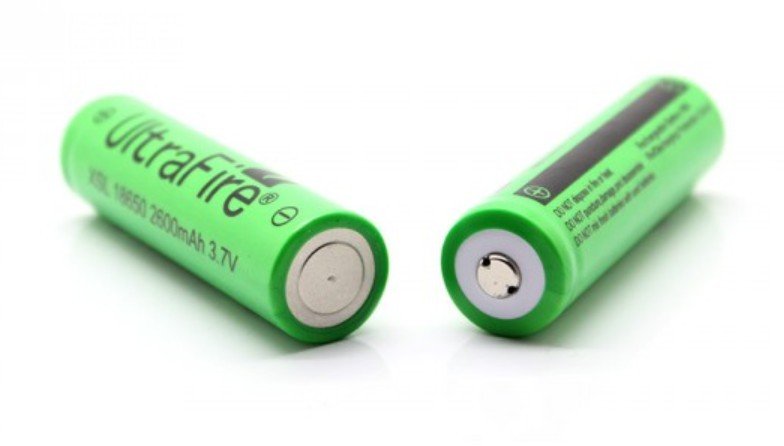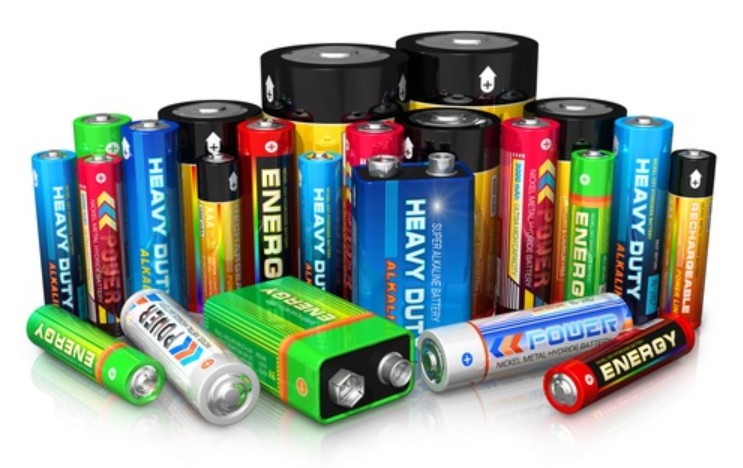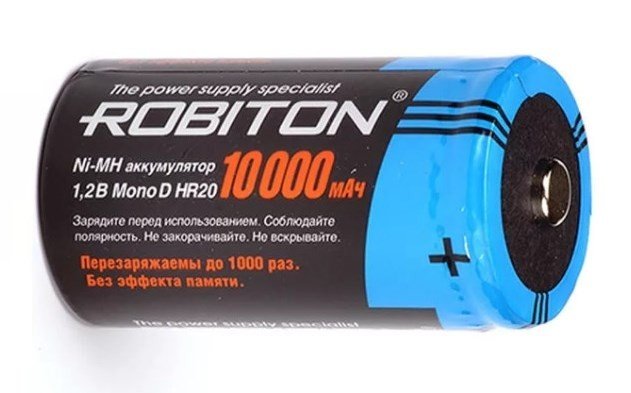
Additional energy sources have become widespread due to their ease of use and affordability. They are used in flashlights, watches, blood pressure monitors, radios, TV remote controls, children's toys, and homemade circuits. The use of various batteries and accumulators makes the operation of small devices more convenient and reliable, and improves the quality and comfort of life for consumers.
Formula for calculating battery life
The longevity of devices, especially those that operate 24/7, depends on the operating time of the element.
Using a simplified formula, you can calculate the battery life:
t = C b/I n , where:
t – time, h;
C b – capacity, mAh;
I n – consumption current (load), mA.
From the formula it is clear that by increasing the current consumption, we will reduce the battery usage time, and by using a larger one capacity, let's extend it.

The most common alkaline battery is type AA (finger), 1.5 V is a disposable device that cannot be recharged, with an average Cb of approximately 3000 mAh and a shelf life of 5 years. Estimating how long the battery will retain its initial Cb is easy, given that storage loss is 10% over 365 days. This means after five years, we'll have 1500, or half the average. You can't count on long-term use of a device with such a battery; it's best to replace it with a new one with a long shelf life and use.
A simple example can help you understand how to calculate the life of a 1.5V AA alkaline battery when used in a small household appliance, such as a wall clock. The wall clock's load current is 0.3 mA. To determine this value yourself, you can measure the current with an ammeter.
Substituting the initial data, we have:
t = 3000/0.3 = 10000 h
10000/24 = 416.7 days
Calculations show that, under proper operating conditions (temperature conditions, no damage), this device will operate for just over a year with one AA, 1.5V alkaline battery. This calculated value is confirmed by practical use of this type of equipment.