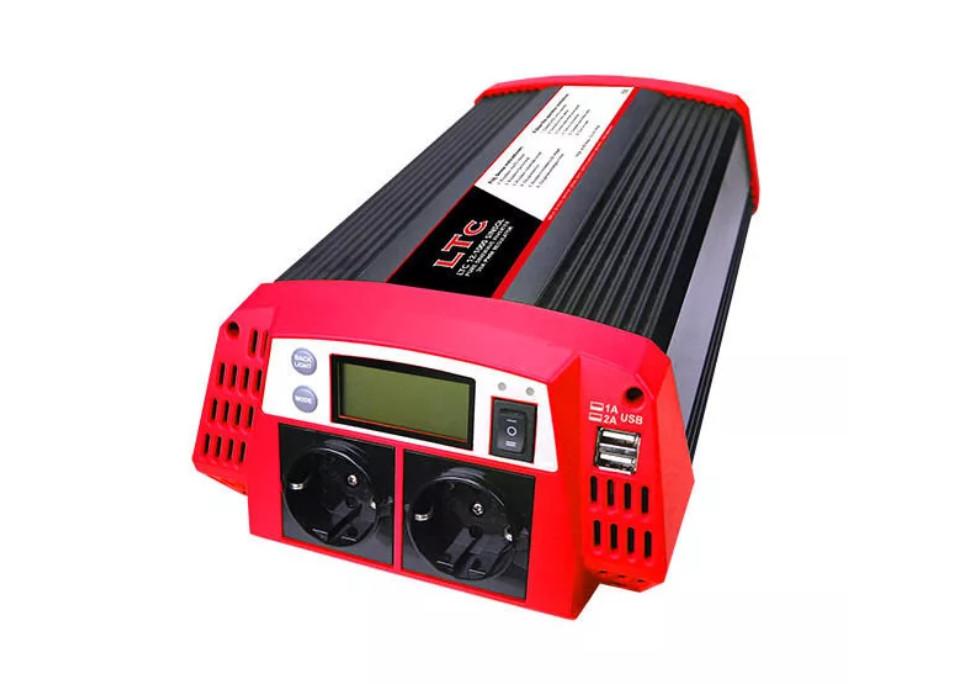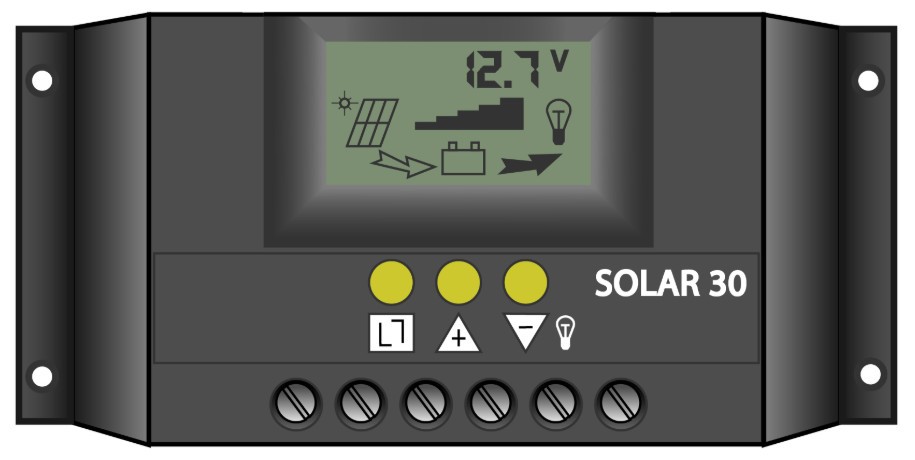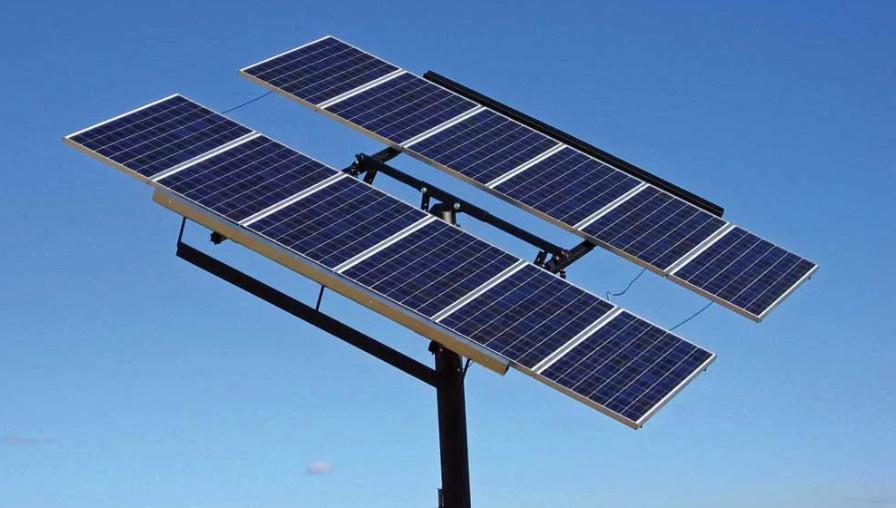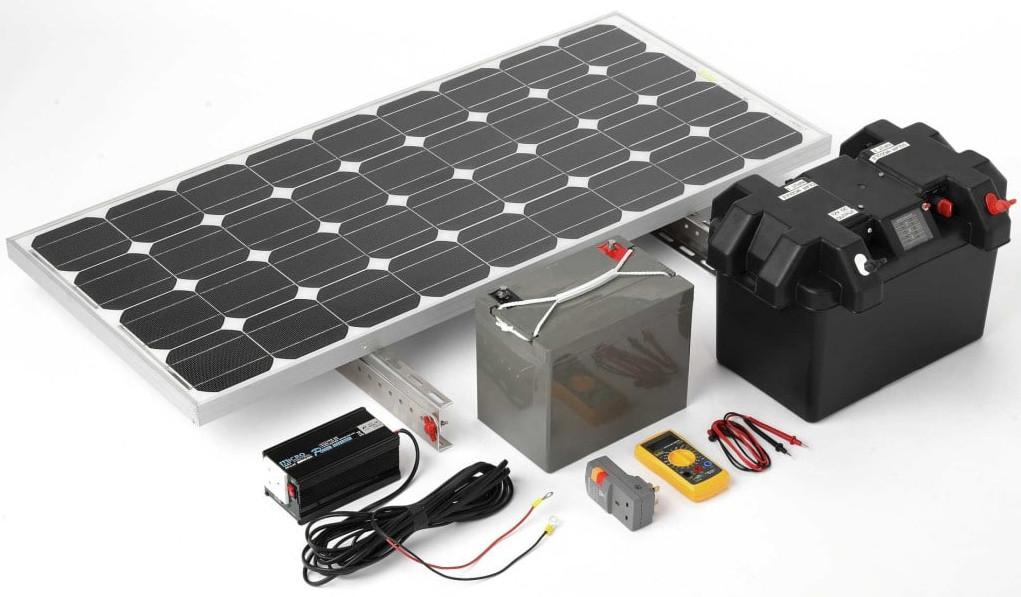
After purchasing photovoltaic panels or making them yourself, you'll need to purchase additional equipment. This is necessary to make the power plant more efficient and reliable. In addition to the battery, inverter, and tracker, you'll have to buy a voltage stabilizer for solar batteryThe longevity of the entire system depends on this very thing.
A voltage stabilizer is a converter that produces the required output voltage. This occurs under conditions of high load resistance and high input voltage. The main advantage of such devices is that they allow for maximum solar panel output in any weather. They also make charging batteries from solar panels safer. If the batteries are fully charged, any excess power is directed to the load.
Types of solar battery stabilizers
There are several types of such technical devices.
- Shunt.
- Linear.
- Impulse.
First It has low power dissipation, increased reliability, and low cost. However, along with its advantages, it also has disadvantages. For example, it switches the battery between no-charge mode and full charge mode. It constantly changes the voltage on the battery. All this leads to numerous interferences at the output.
Second This type has smooth voltage regulation and can experience a slight voltage surge under load. Its downsides include its high price and significant size. It can be connected in either series or parallel.
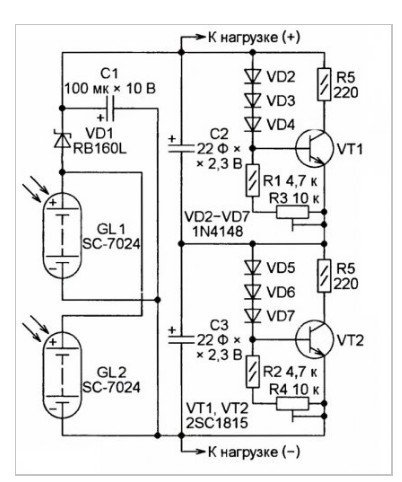
The third option transforms the input voltage arbitrarily:
- Decrease – U at the output will be lower than at the input.
- Increase - the output voltage will be higher than the input voltage.
- Raise or lower – Output U can be either higher or lower.
- Inverting – The output voltage has an inverse polarityif you compare it with the U input.
This type of stabilizer generates high efficiency, but produces pulse-type interference at the output.
Why do you need a solar panel stabilizer?
It seems like we can just connect the solar panel to the battery and our station will work. In reality, things are different. A charge controller must be installed between these two units. It allows you to turn the system on and off. solar panelsHere, everything depends on the charging voltage. Advanced stabilizers can even reduce the voltage and then maintain it at a certain level until the battery is charged.
When choosing, consider the following:

Solar panel stabilizer circuit diagram
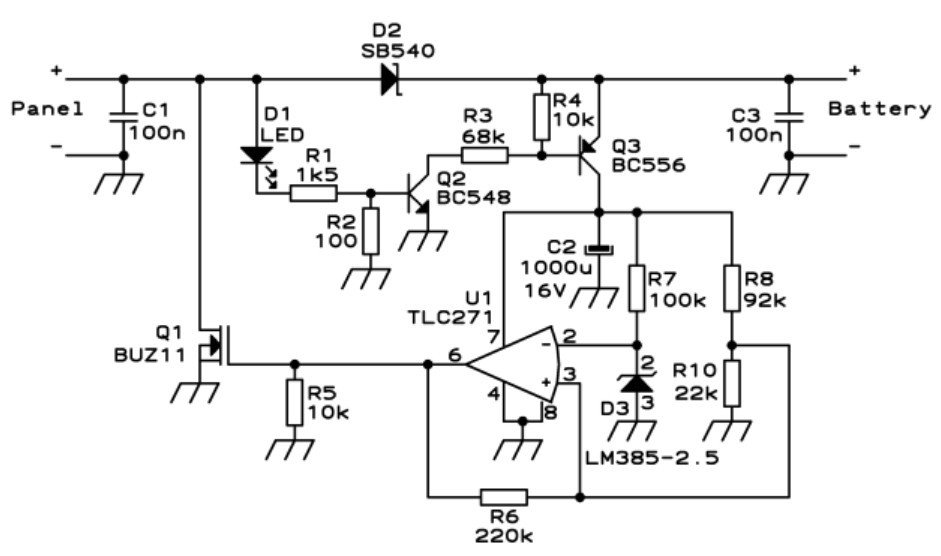
When the solar panel isn't producing current, the circuit is off and doesn't draw voltage from the battery. When sunlight hits the module, 10 volts are generated. This causes the LED to light and two low-power transistors to activate. Everything starts functioning. Operational amplifier U1 controls the transistors' turn-off. This will continue as long as the voltage remains below 14 V. As a result, current will flow through the Schottky diode during this time.
As soon as the voltage jumps to 14 V or higher, the transistor junction opens. The battery stops drawing charging current. The LED goes out, and both transistors turn off. Additionally, capacitor C2 begins to lose charge. After 4 seconds, the capacitor's discharge will be sufficient, and the TLC271 microchip will turn off the transistor. Current will then flow to the battery. This will continue until the voltage returns to the switching level.