Modern residents often think about making their own solar panels. This is because factory-made, stand-alone power sources are expensive. Others simply want to test their inventive skills.
- Method of manufacturing solar panels
- Assembling solar modules from silicon photovoltaic cells
- Solar battery frame
- We decide on a location
- Step-by-step instructions on how to make a solar panel yourself.
- We solder the contacts of photocells
- Creating a framework
- Introduction of silicon solar cells
- Algorithm of actions
- Checking the solar panel before sealing
- Making solar panels hermetically sealed
- Solar panel from CDs
- The process of creation
- Solar battery made from transistors
- Method of creation
- Solar battery made of diodes
- Solar panel made of foil
- How to make a solar panel in Minecraft
- Method of creation
- Where to place and how much energy can you get?
Method of manufacturing solar panels
First, let's decide what is needed:
- Photocells.
- A base for attaching the most valuable things.
- The site where the future power plant will be located.
Now let's look at each point in more detail.
Assembling solar modules from silicon photovoltaic cells
Solar cells are coated on one side with a thin layer of phosphorus. Sometimes there may be boron there.
This layer concentrates a large number of electrons in one place. They do not scatter because they are held by the phosphorus film.
The plate contains metal tracks that conduct the electric current. These silicon elements are quite fragile, so be careful when handling them.
The voltage level depends on the number of such full-fledged plates.
Main components:
- Flint plates.
- Reiki.
- Chipboard, several sheets.
- Aluminum corners.
- Foam rubber 1.5-2.5 cm thick.
- Something transparent for the base of the silicon wafers. Usually plexiglass.
- Screws or self-tapping screws.
- Sealant.
- Wires.
- Brands.
- Diodes.
You will also need tools such as:
- Hacksaw.
- Screwdriver.
- Soldering iron.
- Multimeter.
It's important to use solar cells of the same size. Otherwise, small cells will limit the current. As a result, large quartz modules won't be able to operate at full power.
To assemble a solar module yourself, use monocrystalline or polycrystalline solar cells measuring 3 by 6 inches. These can be found at any Chinese store. To save money, you can purchase "special packs." However, these often contain defective parts.
Many retail outlets sell photo plates in packs of 36 or 72 pieces.
To connect the separated plate modules, special busbars are needed. And to enable the assembly, terminals are required.
Now that everything is clear with the silicon solar cells, let's go assemble the base.
Solar battery frame
This is the simplest thing you can make at home! It's usually made from slats or aluminum extrusion. It's easily available at a hardware store. It's a good choice for the following reasons:
- It is lightweight and does not put much pressure on the support structure.
- Does not rust.
- Does not absorb moisture.
- Unlike wood, it is not subject to decay.
Transparent element
When purchasing, please pay attention to:
- The refraction rate of sunlight. The lower it is, the better! The efficiency of the plates will be higher.
- How much infrared rays does it absorb?
The following would be suitable for this role:
- Plexiglass.
- Polycarbonate. Slightly worse.
- Plexiglass.
The absorption level determines whether the temperature on the silicon wafers will increase. It's best to use anti-reflective transparent glass.
We decide on a location
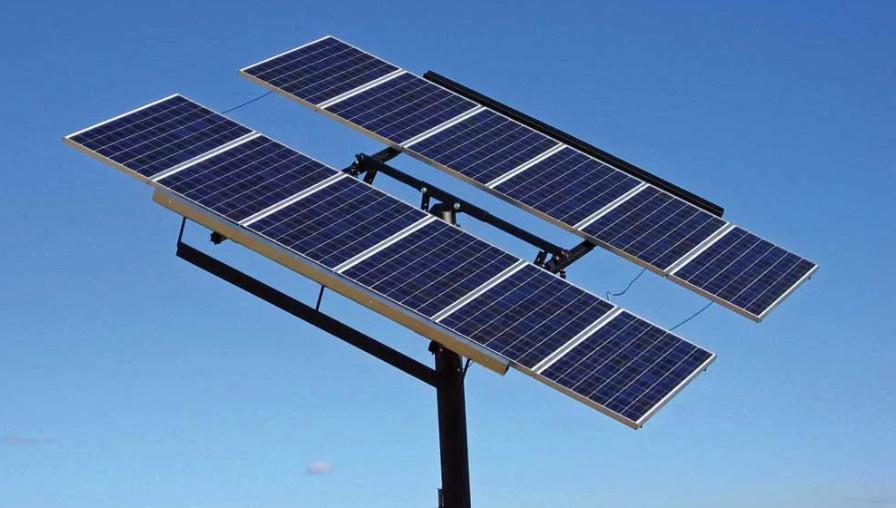
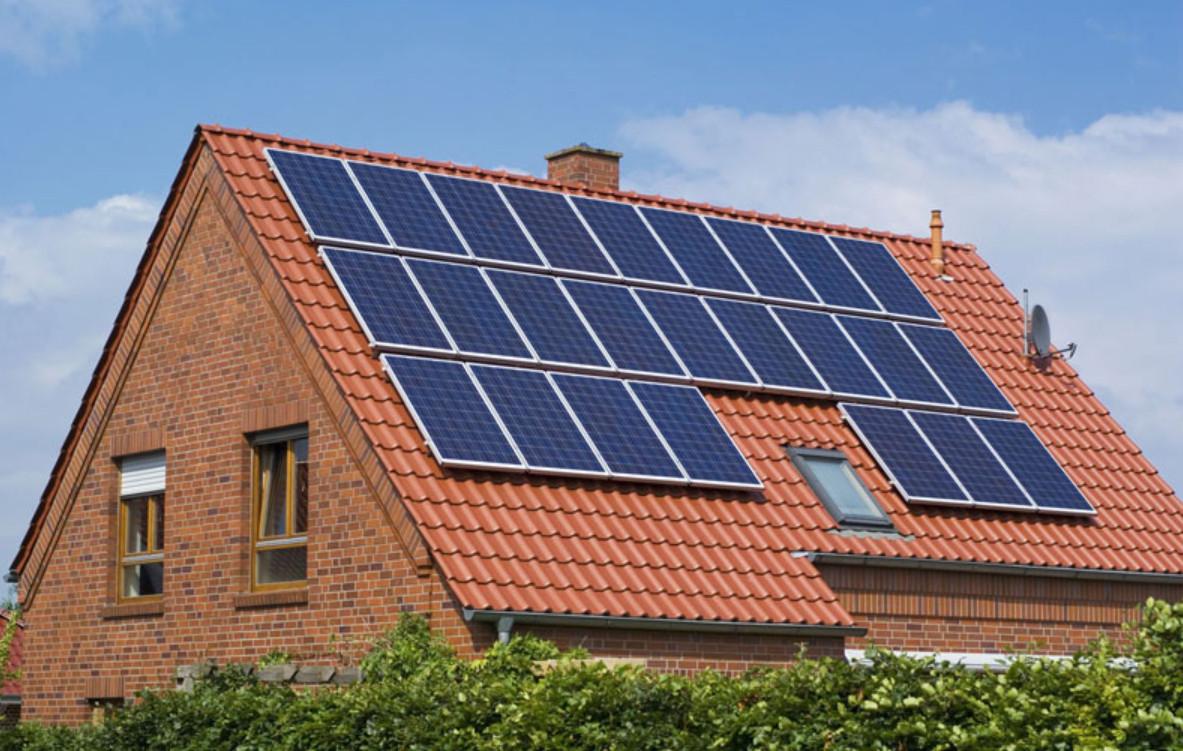
The size of the solar module depends on the number of solar cells installed. It's best to place the panels in a location where sunlight reaches them from all directions. You can also equip such a power station with an automatic rotation device. This means it will always face the sun. A rotating device for solar battery You can make it yourself.
Make sure that the shadows of houses and trees do not fall on our homemade solar panel.
The angle of inclination depends on:
- Climate.
- Where the house is located.
- Seasons.
Solar cells produce maximum efficiency when the rays fall perpendicularly.
Some calculations showed that 1 square meter produces 120 watts. This suggests that a typical home would consume 300 kW per month. Therefore, an area of 20 square meters would need to be used.
As a result of all the above solar battery, made with your own hands, will help you save some money on electricity.
Step-by-step instructions on how to make a solar panel yourself.
Now, in 5 steps, we will look at the assembly in more detail.
We solder the contacts of photocells
The first thing you need to do is solder the wires. If possible, buy silicon wafers with this important part already included. This will save you a lot of time. Soldering is quite tedious and problematic. The process can damage the wafers.
Soldering algorithm:
- Have a photocell plate and a conductor ready for soldering.
- Use a cardboard template to trace the conductors. The length should be twice the length of the solar plate.
- Place the conductor on the photocell. You'll need two conductors for each cell.
- It is worth applying acid to the place where you are going to solder.
- Solder and attach the conductor to the silicon surface.
It's best to use solder that comes in the form of a tube filled with rosin.
Do not apply too much pressure to the silicon wafer, as it is very fragile and may break.
Creating a framework
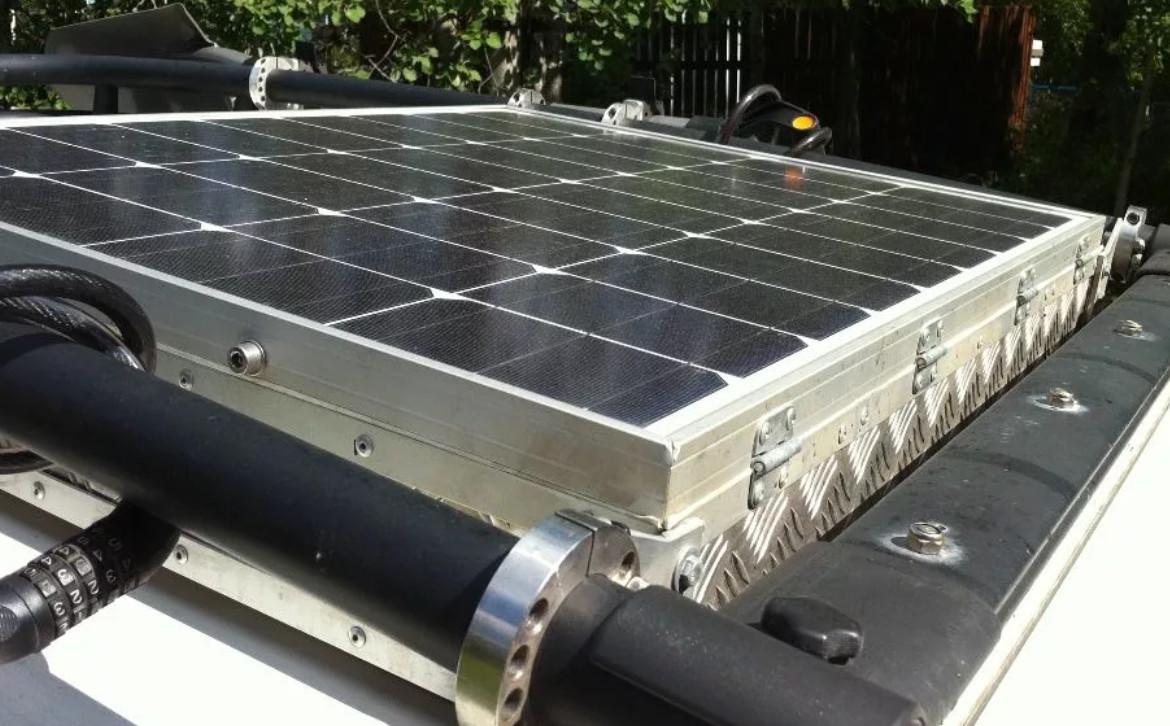
It's needed to mount all the solar cells and can be made from readily available materials. You'll need aluminum corners or slats. These are used to create a rectangular frame. The corner size is 70-90 mm.
Apply a layer of sealant to the inside corners. Be sure to do this thoroughly. The longevity of the structure depends on it.
Now move on to creating the back frame. It's made like a small box with small edges. The sides shouldn't be more than 2 cm high. Attach the slats with screws. Next, drill ventilation holes. Space them 10 cm apart. Then, install a transparent panel in the aluminum frame. It can be made of plexiglass or acrylic.
We firmly secure and attach the transparent panel. It is secured with hardware: four at the corners, two on the long side, and one on the short side. We screw the hardware in place.
Once the frame is created, all that's left is to install the solar cells. Before installing the solar cells, clean the plexiglass of dust and degrease it with alcohol. Any alcohol-containing product can be used instead of alcohol.
Introduction of silicon solar cells
This is the most difficult thing that can happen when making a solar battery with your own hands.
Take some plexiglass and place our solar cells on it, blue plates facing down. To ensure everything is aligned evenly, use a special backing for marking. The plates should be spaced approximately 3 mm apart.
Algorithm of actions
- Solar cells must be soldered according to a specific pattern. The positive contact is on the left side of the plate. The negative contact is on the right. Solder and flux must be applied very carefully.
- When working this way, follow the sequence from top to bottom. Each row will need to be connected to the next.
- Now it's time to glue the solar cells. To do this, apply clear sealant to the center of the plates.
- Turn the module chains over, blue side up. Place them according to the markings. Gently press the plates to secure them in place.
- Connect the contacts of the outermost elements to the busbar. Positive to "+" and negative to "-". Use a wider conductor made of silver as the busbar.
- The solar panel should be equipped with a blocking diode. This is necessary to prevent the battery from discharging at night.
- We make holes in the bottom for the wires. To prevent them from dangling, we secure them with silicone sealant.
Checking the solar panel before sealing
Once you've soldered a series of components, test them. This will make it easier to identify weak connections. A simple ammeter will do the job. A multimeter will also work. The test should be performed on a sunny day between 1 and 2 p.m.
Once you've found the right angle, begin taking measurements. To do this, connect the ammeter probes to the battery's "+" and "-" terminals. Check the short-circuit current. The current should be 0.5-1 A lower than the short-circuit current. The meter should read more than 4.5 A. This indicates that your homemade solar panel is working!
A battery made independently from group "B" elements provides 5-10 A. This is 15% lower than factory panels.
Making solar panels hermetically sealed
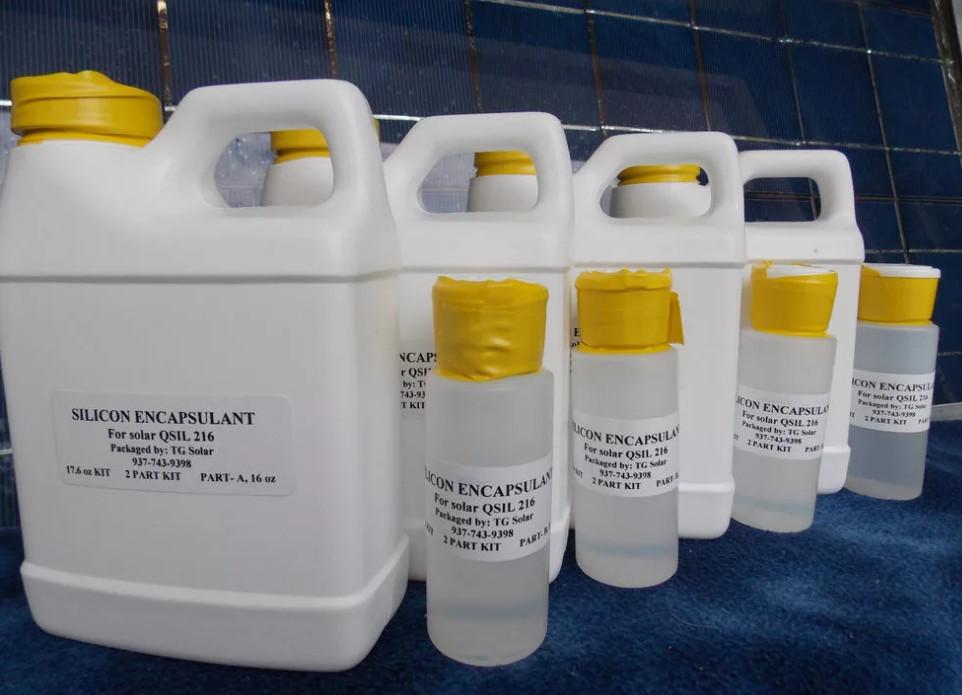
Important! Only perform this process after ensuring the solar panel is fully functional. We use epoxy resin for the sealant. If this is too expensive, you can use silicone sealant.
There are 2 methods of sealing:
- Complete.
- Partial. The sealant is applied to the outer elements and between the plates.
The first option is more reliable. A layer of plexiglass is placed on top and pressed against the silicon-coated plates. For additional protection, a foam gasket can be installed between the back surface of the silicon plates and the frame.
Once the plexiglass is in place, place a weight on it. This is necessary to push out any bubbles.
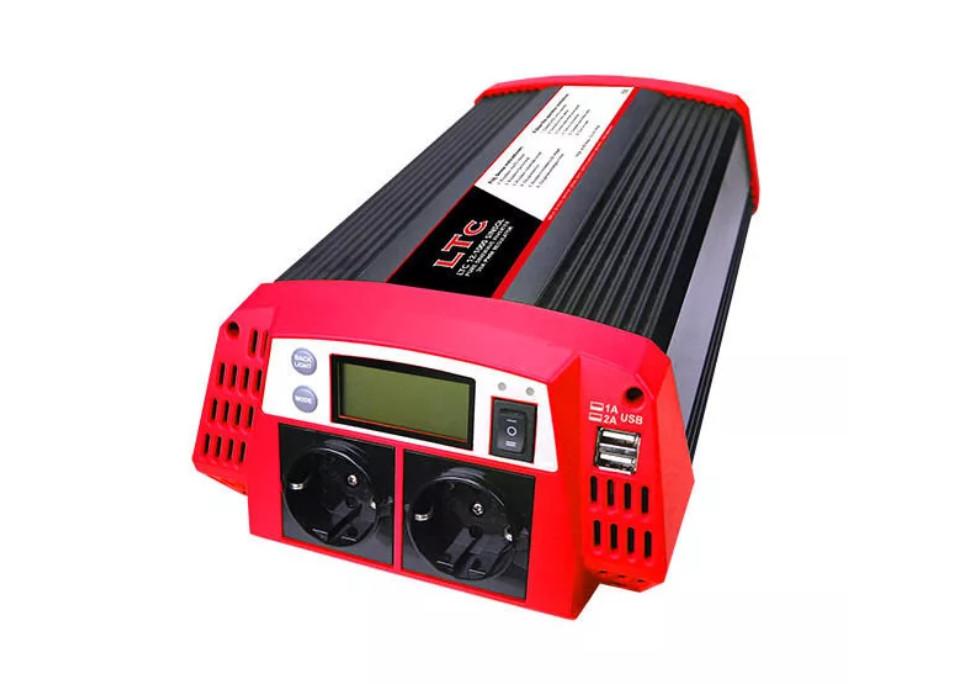
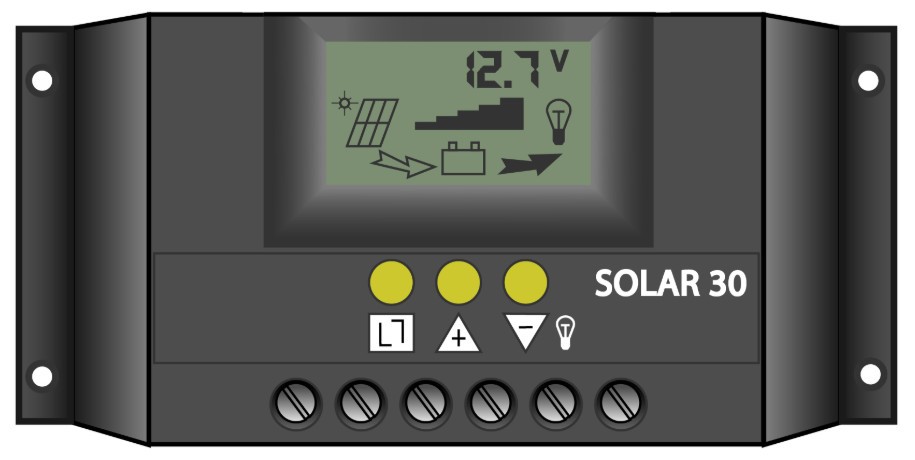
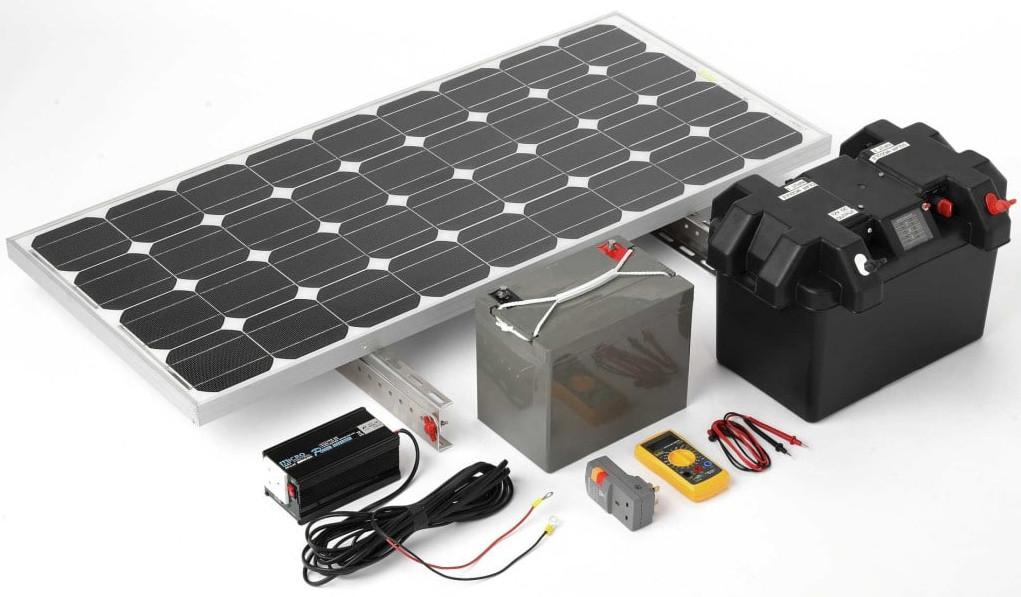
Once all the major work is completed, the solar panel should be retested. Then, it can be put into operation and receive 220 volts. However, you'll need to purchase a voltage regulator, inverter, battery, and other additional components.
Some people build solar panels from Chinese panels, and they work quite well. However, you'll have to order them from AliExpress or another similar store first.
As a result, you will have a simple solar battery.
Solar panel from CDs
To create you will need:
- Special rectangular LED.
- Compact disc.
- A special cover that blocks solar energy leakage.
- Bolt.
- A couple of wires.
The process of creation
First, we'll work on the lid. You'll need to poke a hole in it. This can be done carefully with scissors, a nail, or an awl.
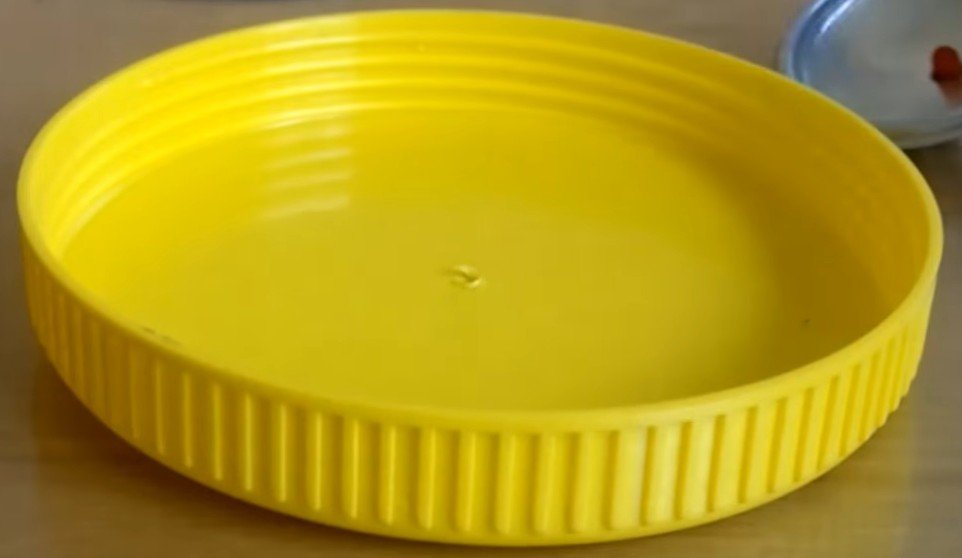
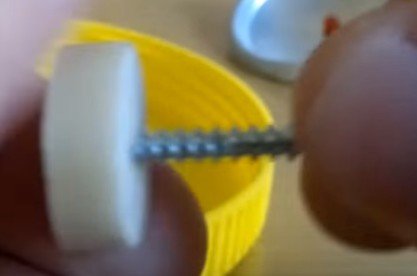
Next, screw the screw into the plug.
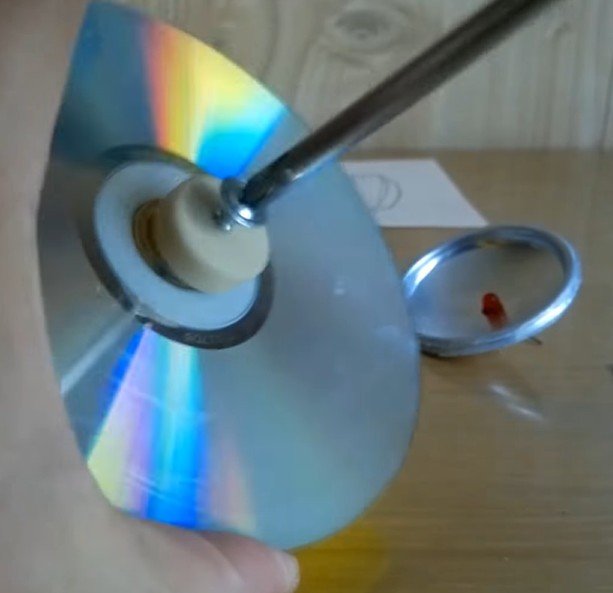
After that, take the CD and place it on the lid. Then screw everything back on.
As a result, we have a finished, integral structure that amplifies and concentrates sunlight.
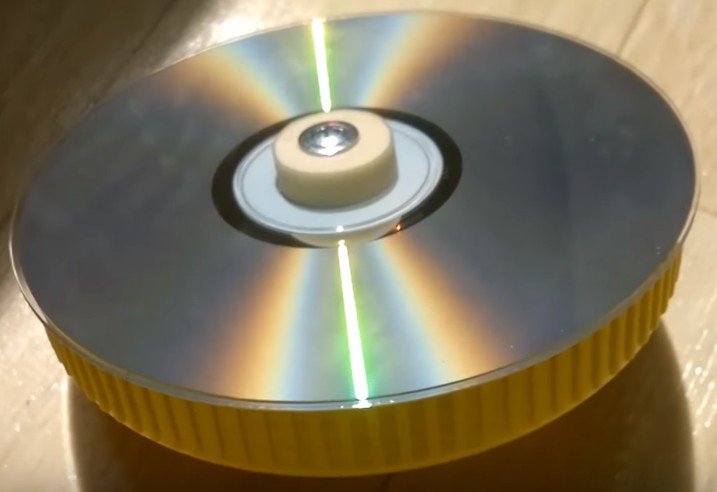
Now, to generate electricity, we redirect the sun's rays onto the LED. This generates about 5 volts of power.
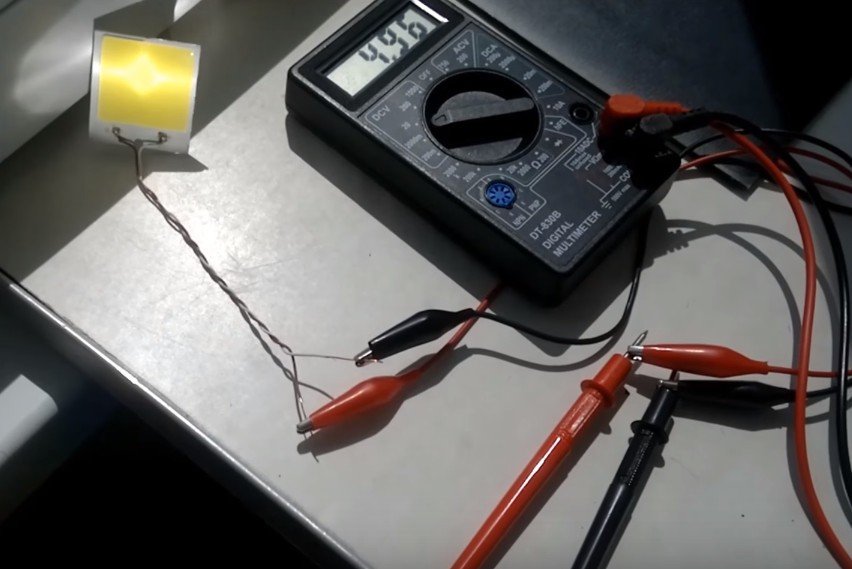
Thus, if this is packaged into a simple design, the required amount of electricity can be generated with minimal costs.
Solar battery made from transistors
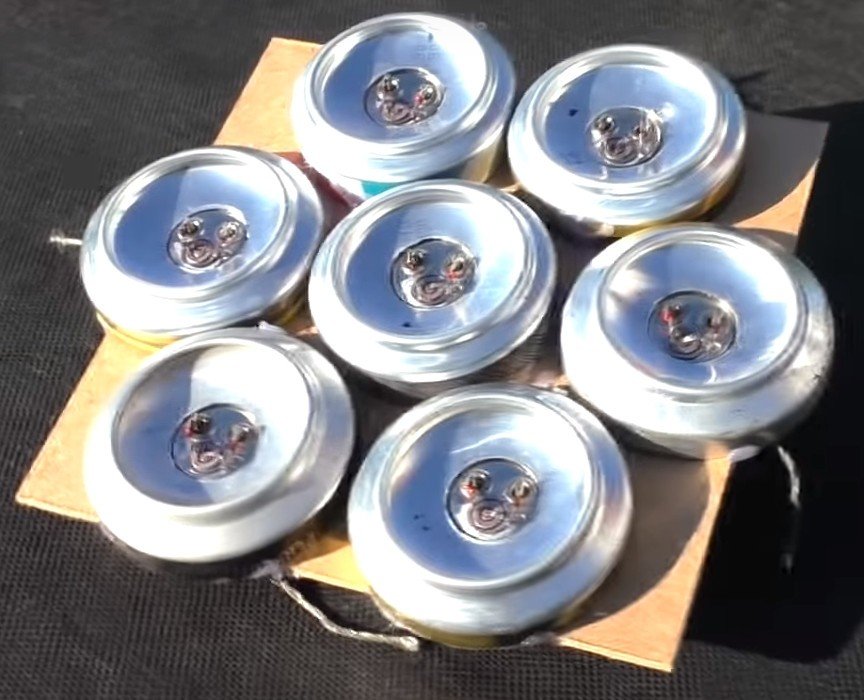
To make a light energy converter you will need the following:
- Transistor type P 210
- Pliers
- Sharpener
- An aluminum bottom from a beer or soda can.
- A small piece of fiberboard for mounting transistors.
Method of creation
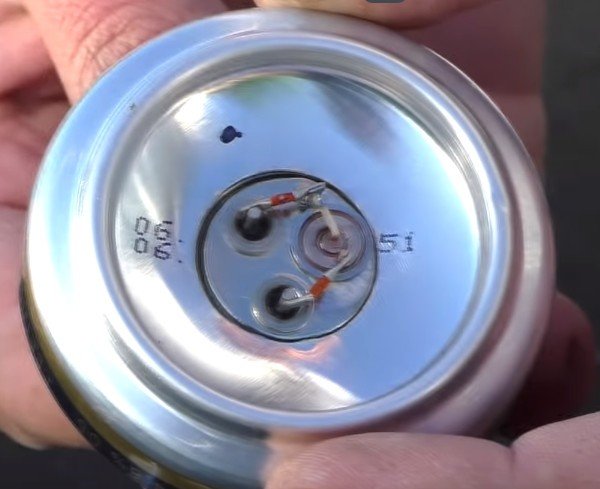
First, you'll need to remove the top of the transistor. This is necessary to expose the photocell that detects light. To access this element, you'll need pliers and a sharpener.
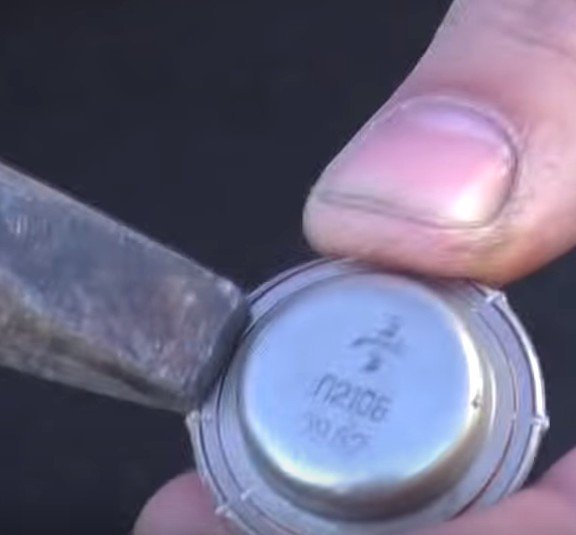
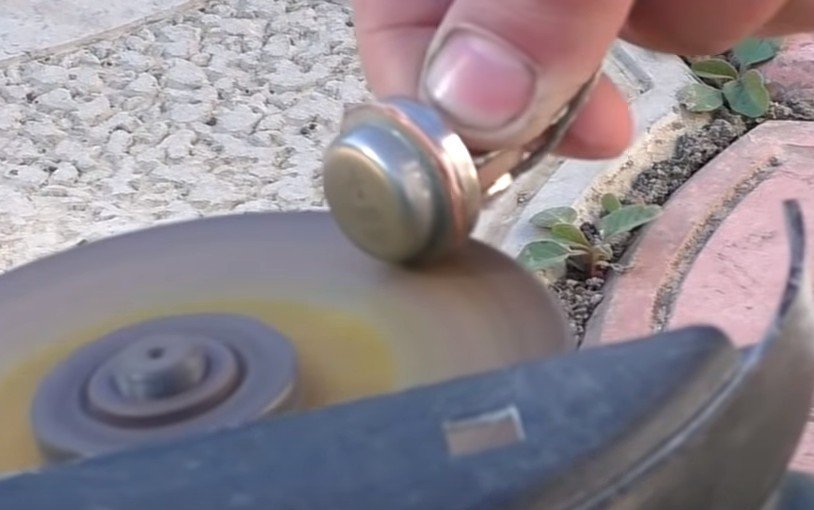
As a result, we get an element like this:
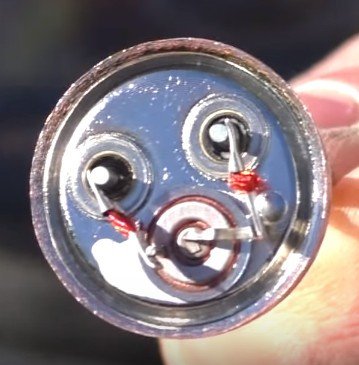
The base and emitter terminals produce a voltage of 0.95 volts.
Now we'll work on the bottom of the jar. We'll use it to create a reflector.
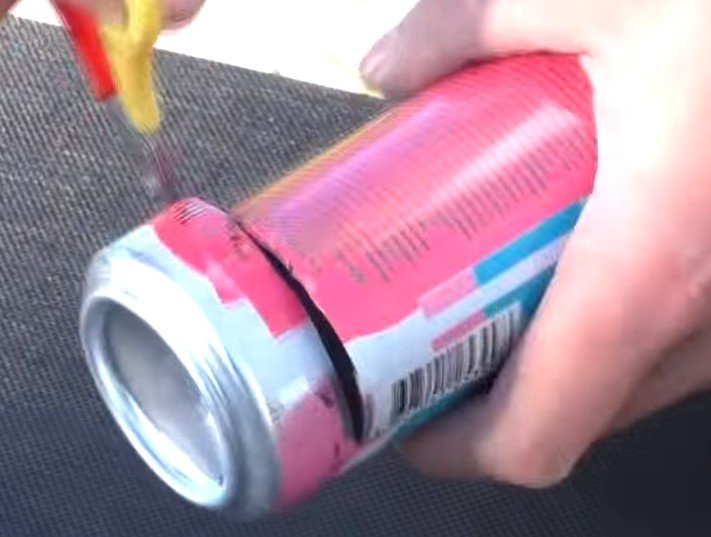
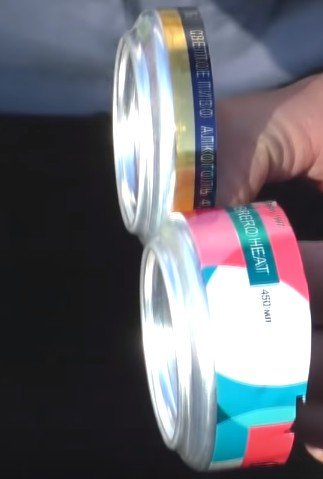
The main thing is that the transistor does not protrude beyond the edge.
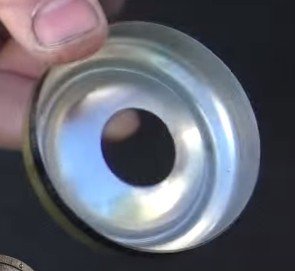
In the center of the cover you need to drill or punch a hole for the transistor.
After all these manipulations, we fix our photocell in the recess.
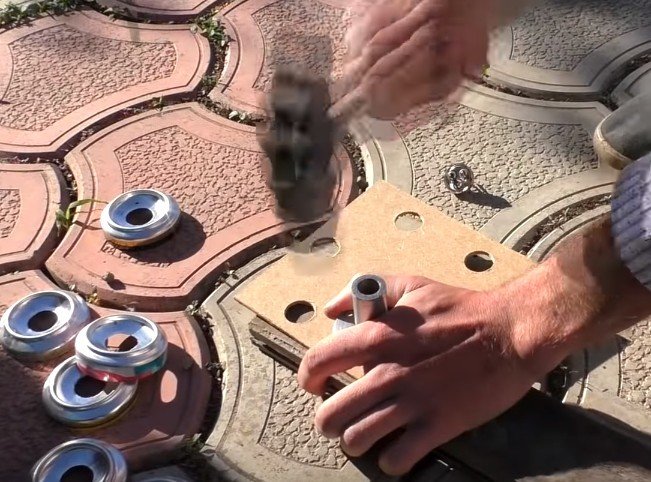
Now you need to make holes in the fiberboard. The holes should match the transistor's dimensions. The wooden rectangle should be large enough to accommodate seven can bottoms.
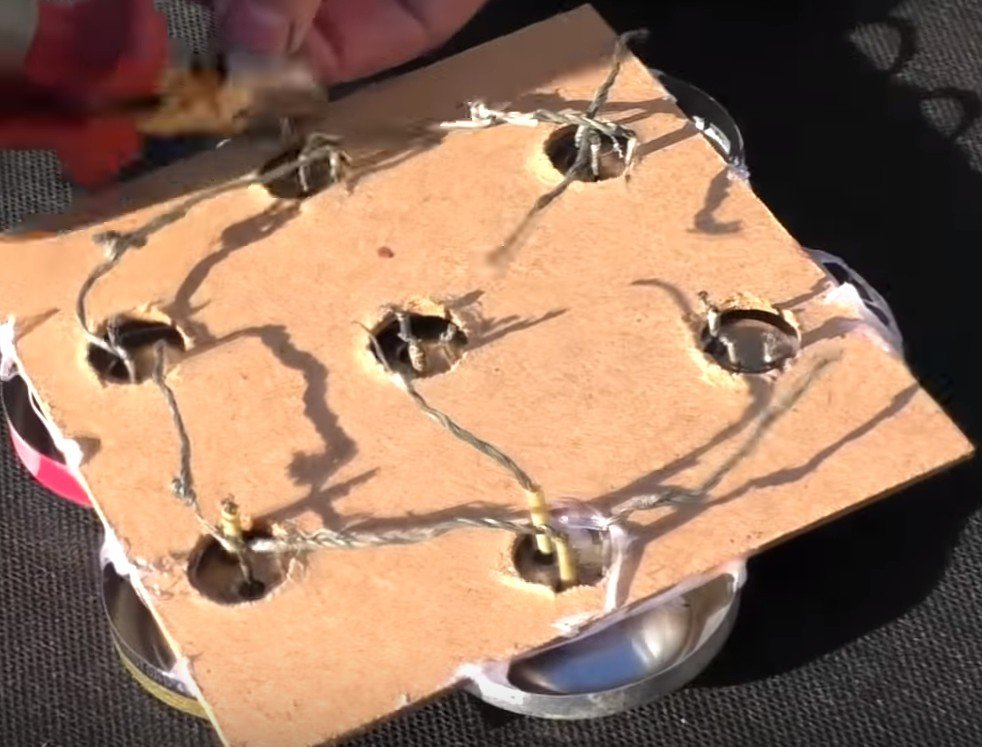
We attach transistors and reflectors to the wood using hot glue.
After this, we connect our photo elements to each other in series. We use the base/collector terminals.
After assembly, our setup produces about 0.60 volts.
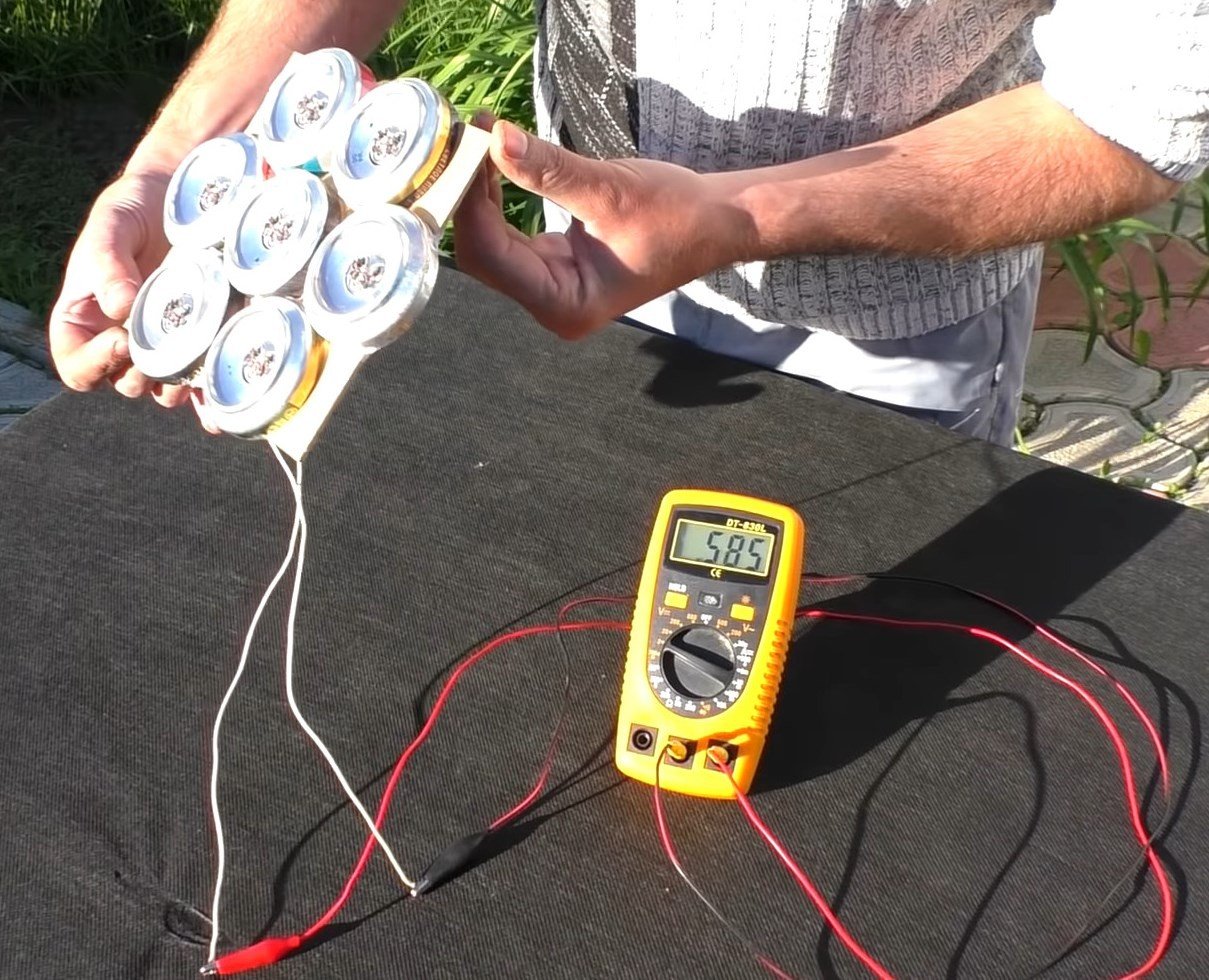
Current = 2.8 mA.
If you find better transistors, you can squeeze more power out of this thing. The ones mentioned in the article can be found for 40 rubles. For 280 rubles, you can build a low-power solar panel yourself.
Solar battery made of diodes
The design is simple. All you need is a few diodes. The voltage level depends on their number. These elements must be transparent. This way, the light rays will directly hit the silicon wafer and generate electricity.
Don't expect miracles from all this, as one element produces about 0.1-0.5 volts. The resulting design is capable of outputting up to 4 V.
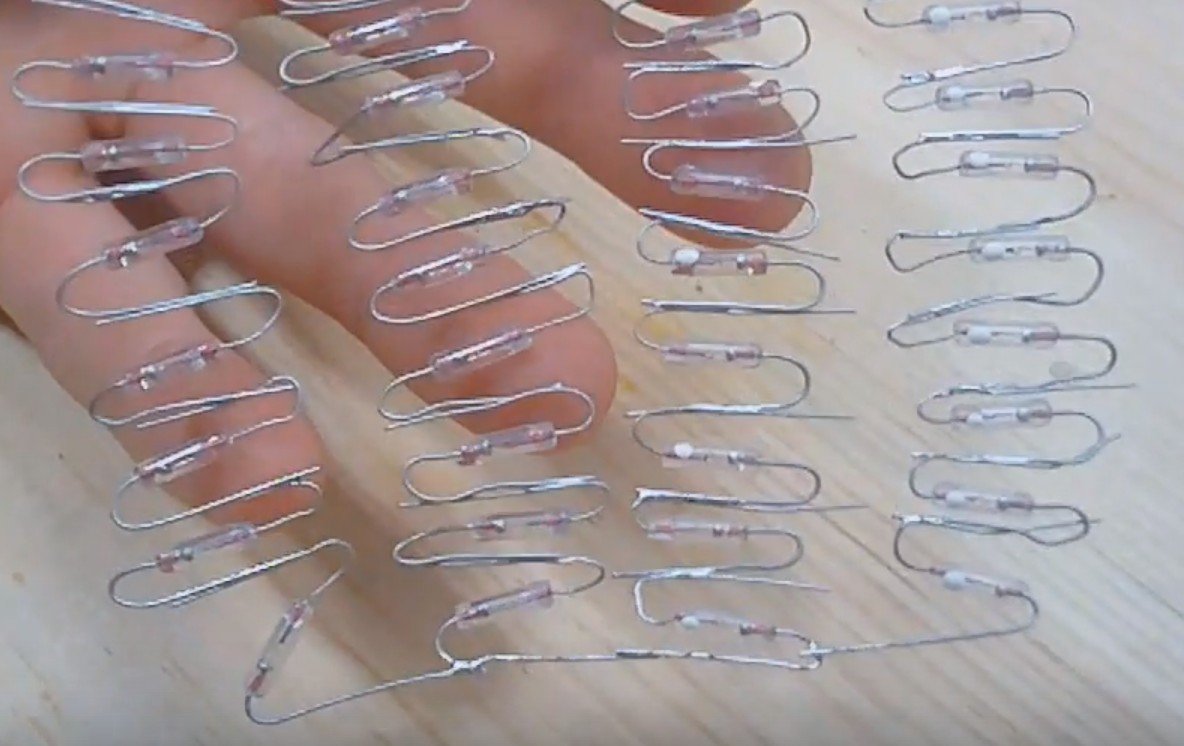
Such a setup can only produce a small amount of electricity. Its efficiency is low, so it's better to buy silicon wafers and build something better.
Solar panel made of foil
This material will produce a rather primitive energy source. In many similar installations, foil is used as a secondary material. It acts as a reflector. The rays striking it are amplified and transmitted to a photocell, which generates an electric current.
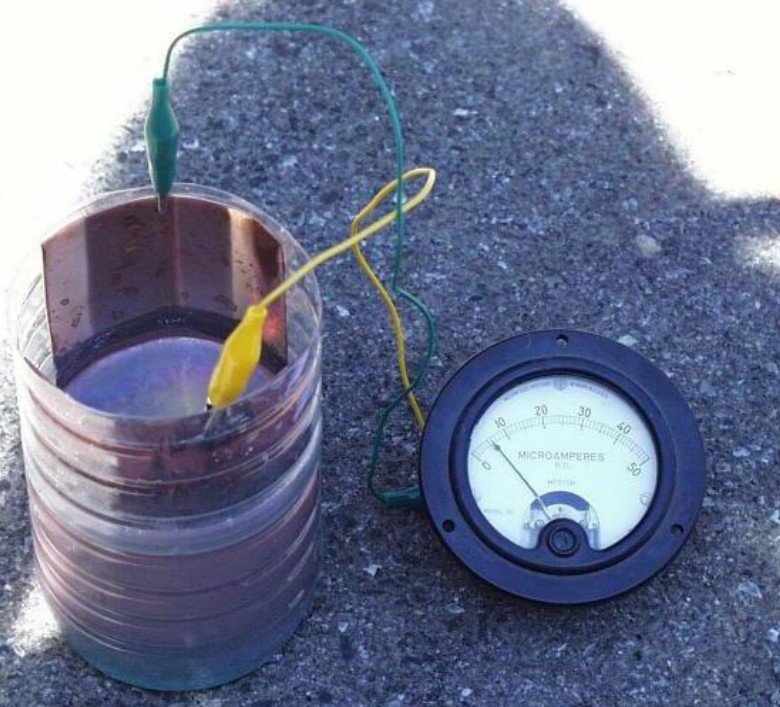
There's a design online that requires you to heat foil on an electric stove. Then place it in a plastic container. Then fill it with a saline solution. But this is similar to a regular salt-water battery.
How to make a solar panel in Minecraft
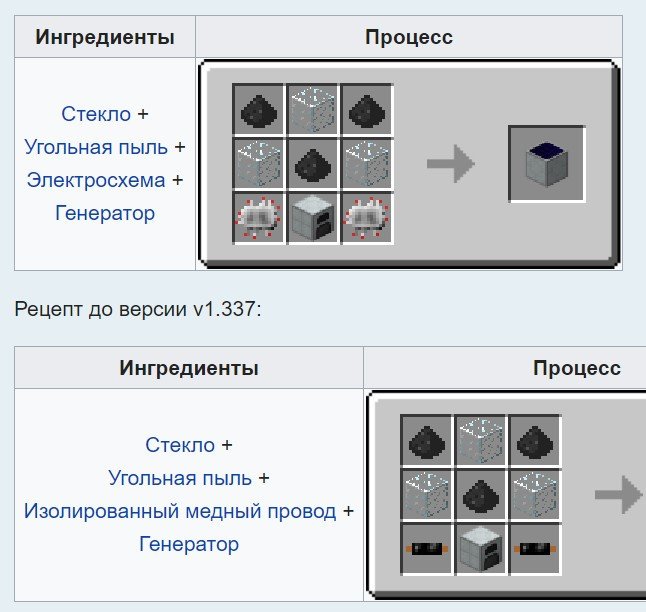
For fans of this game, we'll now tell you how to generate energy from the sun! This power source is used as a backup. When it rains or is dark, you can use these batteries. The current is collected in a battery. This panel takes up little space, making it cost-effective to build.
Method of creation
Before making it, you will need to stock up on the following:
- Coal – 3 pcs.
- Glass 3 pcs.
- Insulated wires, 12 pcs., 4-6 copper.
- Tin wire – 1. Must be insulated.
- Iron ingots – 10 pieces.
- Red Dust – 6.
- Tin – 2.
- Cobblestones – 8.
- Rubber – 13.
Wires located above the solar panels will not interfere with their operation.
Where to place and how much energy can you get?
They are installed in places where nothing obstructs the passage of light. Snow, pipes, glass, and wires are allowed.
In an empty biome, energy generation will continue continuously.
Produces 1 EU/t (13050 EU per solar day).