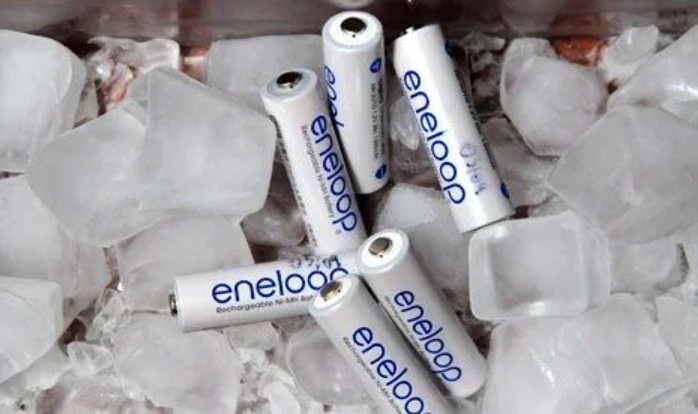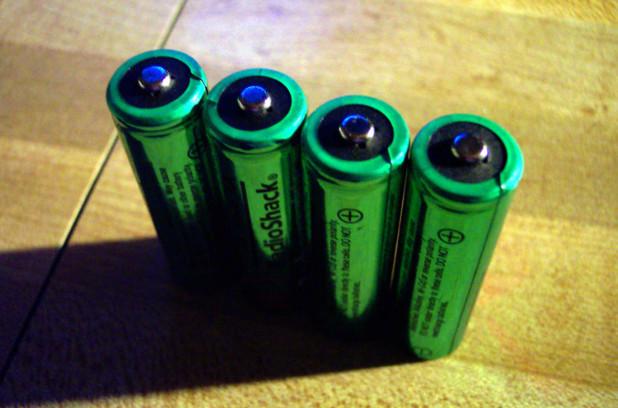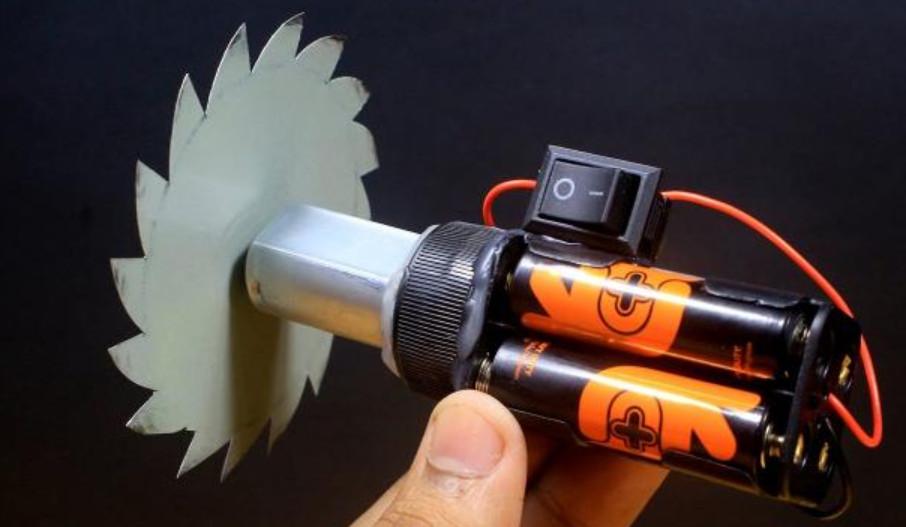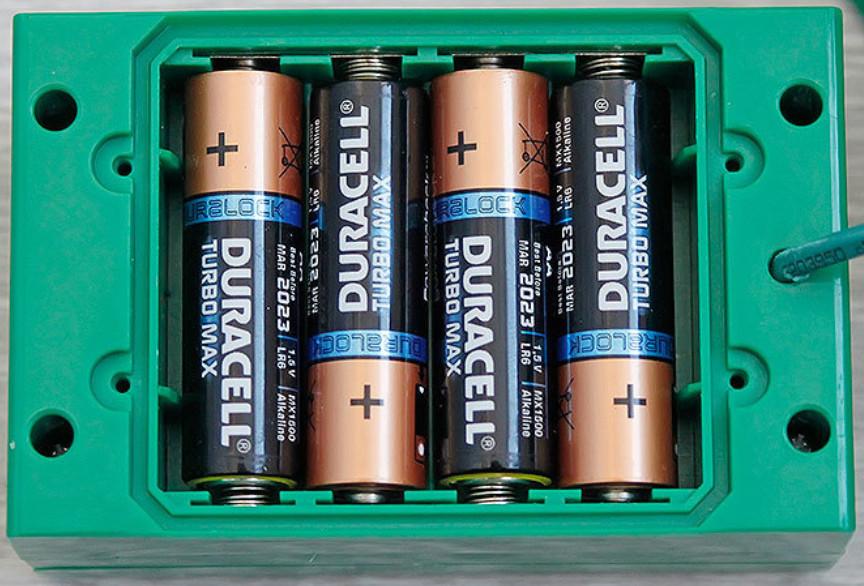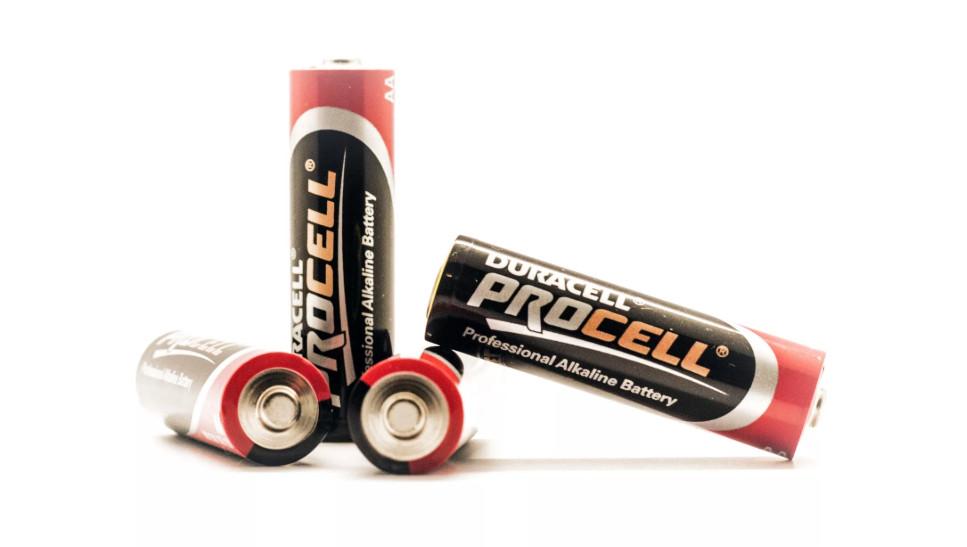
We're surrounded by objects we often overlook, yet their existence was preceded by scientific research and experimentation. What do a wall clock, a TV remote control, and a musical toy all have in common? These objects are all powered by batteries. This familiar element powers them.
Before the battery came into being, there was a long path of scientific experimentation.
Initial research
The history of the battery dates back to the late 17th century. The idea for a portable power source belongs to the Italian scientist Galvani. He studied animal reactions to various stimuli. In one experiment, he concluded that two types of metal attached to a frog's paw conduct electricity. Galvani was unable to substantiate his experiment, but the story of its creation galvanic cell forever associated with the Italian biologist.
Luigi Galvani's work was useful to the Italian physicist Volta.
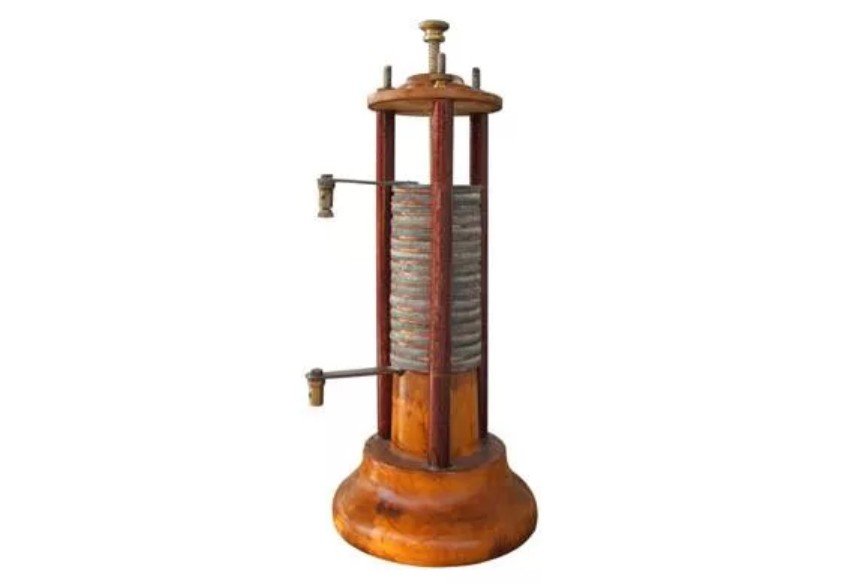
The scientist explained that electric current between metals occurs due to a chemical reaction. To prove this, Volta placed copper and zinc plates in a flask filled with a saline solution, separating them with cardboard sheets. This is how the operating principle of modern autonomous power sources was formulated.
A battery has three components: two electrodes (anode and cathode) and an electrolyte between them. Electric current is generated by the acid-reduction reaction between the two electrodes.
The battery's history didn't end there. In the mid-19th century, the French scientist Planté, citing Volta's research, decided to use a pair of lead plates dipped in a dilute sulfuric acid solution in an experiment. The discovery of this experiment was the first battery to require charging from a direct current source.
Mass production of batteries
Who invented the first battery similar to modern batteries? Georges Leclanché is considered the inventor of the dry cell. In 1868, he used a saline solution as the electrolyte for his experiments, with zinc and manganese serving as electrodes. This chemist provided valuable insights that later helped create a "dry" power source. Twenty years later, German Karl Gassner continued Leclanché's work, but instead of manganese, he used carbon. This composition is similar to the batteries we know today. His fellow German, Paul Schmidt—the father of the flashlight and the ultimate inventor of batteries—supported his work.
Towards the end of the 19th century, in 1896, the first dry-cell battery with carbon, the Columbia brand, was released. The American company that released this unique product at the time was later called Eveready Battery Company. Today, it is a world-famous brand. EnergizerAlmost a century later, in 1992, the company Energizer showed the world lithium batteries, which has no equal in durability, is intended for high-tech equipment.
The Schmidt factory launched mass production of batteries and accumulators in 1903 under the Daimon brand.
Button batteries were invented in the 1940s by Samuel Reuben for the American military. Their mercury-zinc composition and sturdy metal casing were frost-resistant, ensuring reliable operation. The compact battery produced voltages ranging from 1.3 V to 3.5 V. Reuben founded a battery factory that produces one of the most recognizable brands today. Duracell.
Today Flat mini batteries are required for hearing aids to function., calculators, toys.
The aim of scientific research in creating the battery was to improve its properties, efficient use, and create a minimum size.