There's information online about people using solar panels in the Moscow area. This section will describe the experience of one of these pioneers.
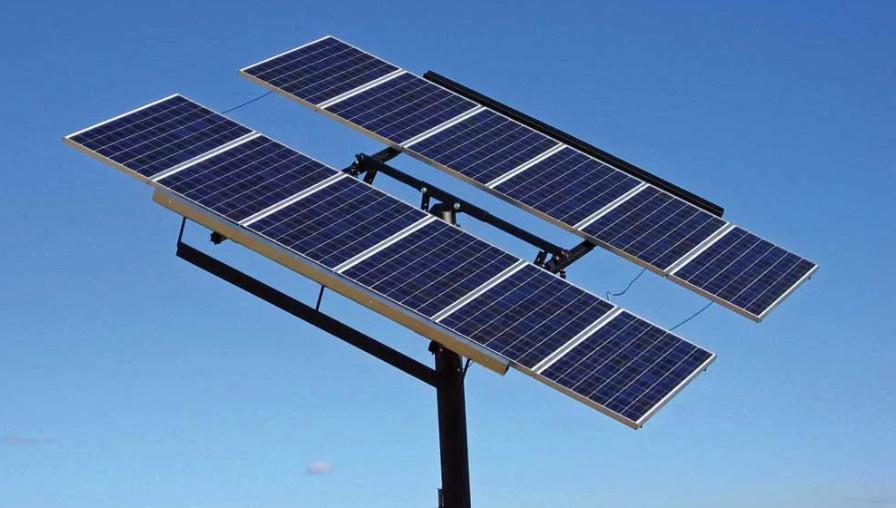
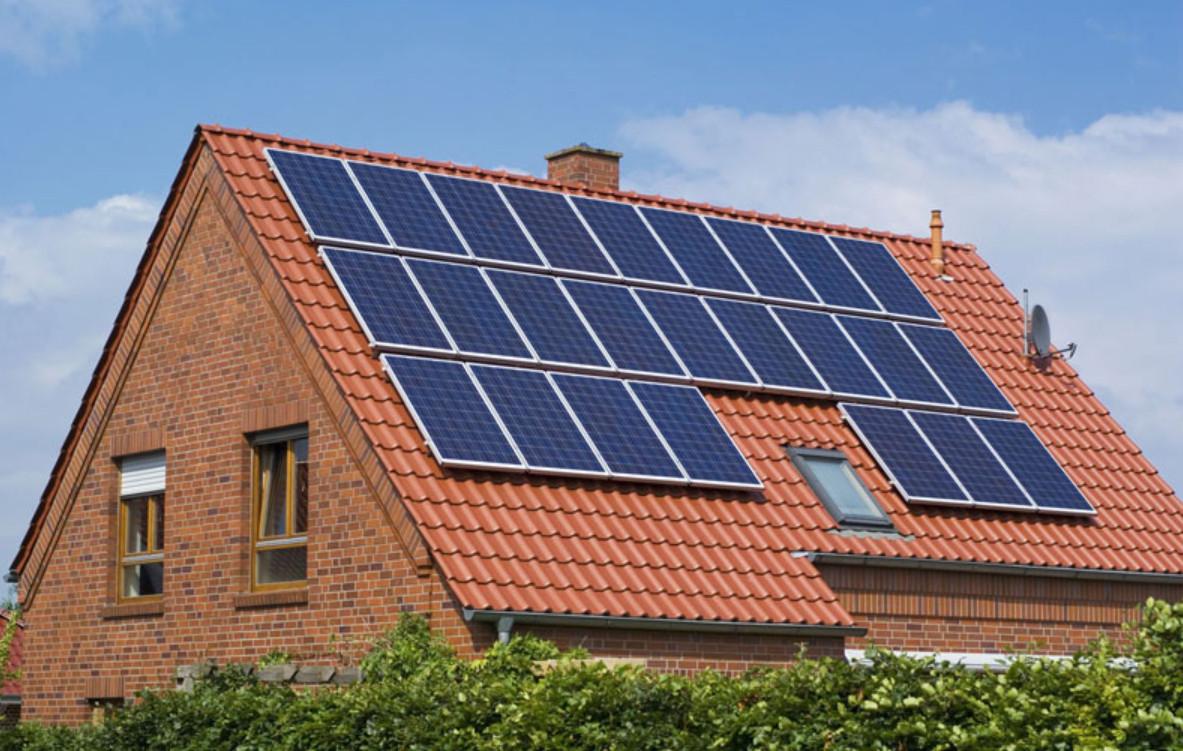
A certain Victor spent a year collecting statistical data from two 100-watt solar panels. He installed them on his house outside the city.
Description of the use of solar panels in the Moscow region
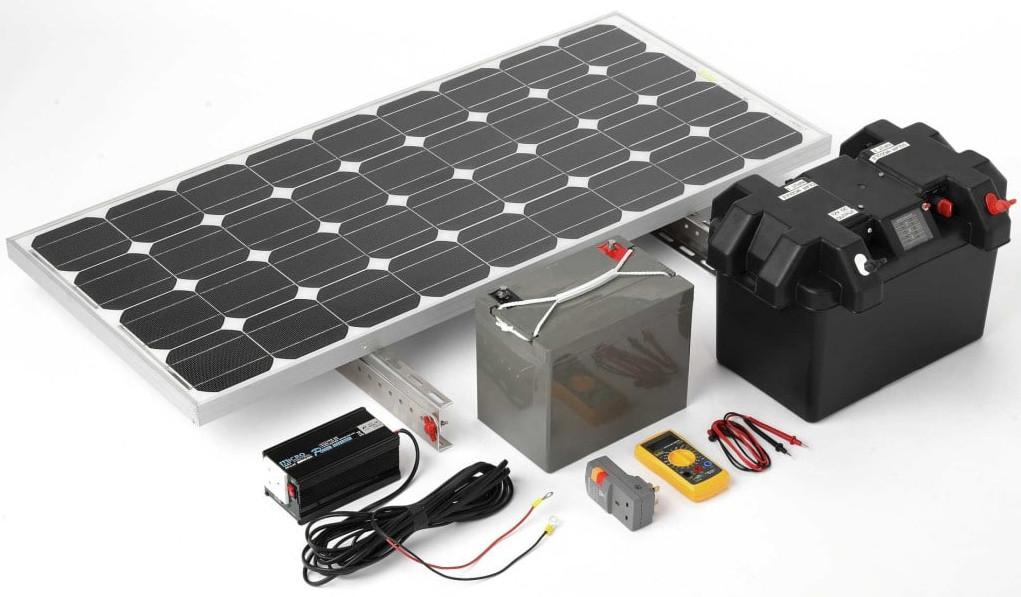
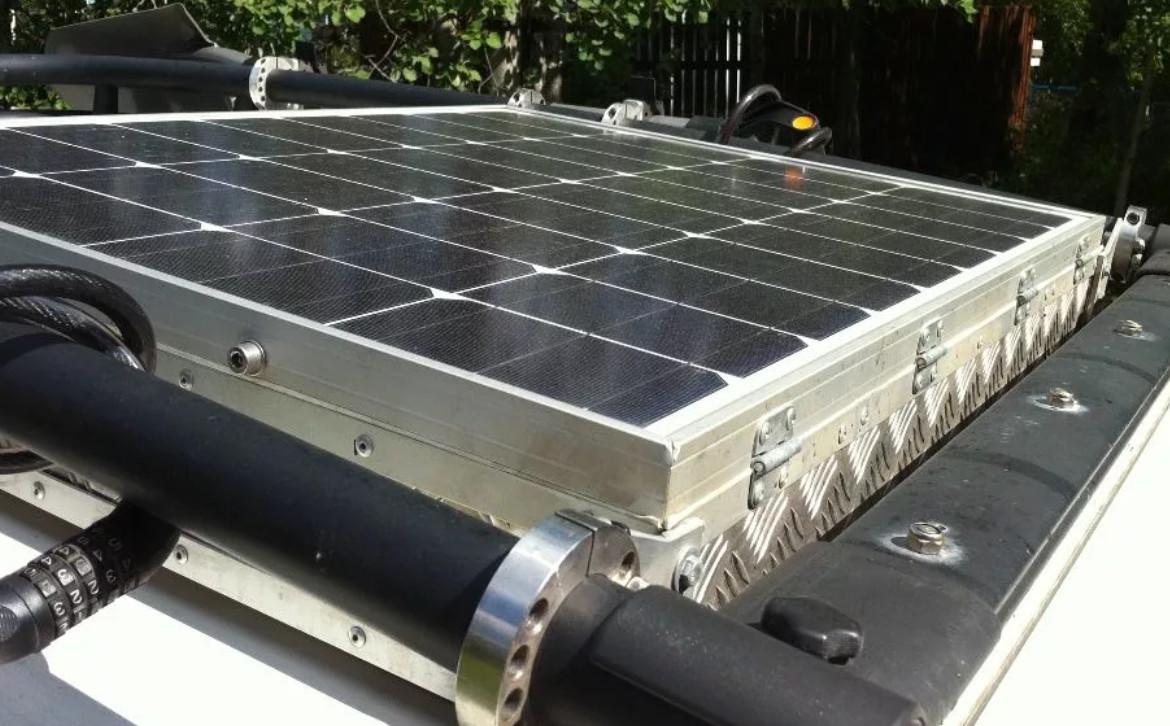
Initially, he purchased a 200-watt panel, but then had to replace it with two identical 100-watt panels. This was because within a week, it became clear that the 200-watt panel wasn't capable of providing the required voltage for the grid inverter. The panels were purchased from Sunways. In theory, these panels should be better, but in practice, they're simply more expensive. In 2015, they cost 14,800 rubles. That's for two panels.
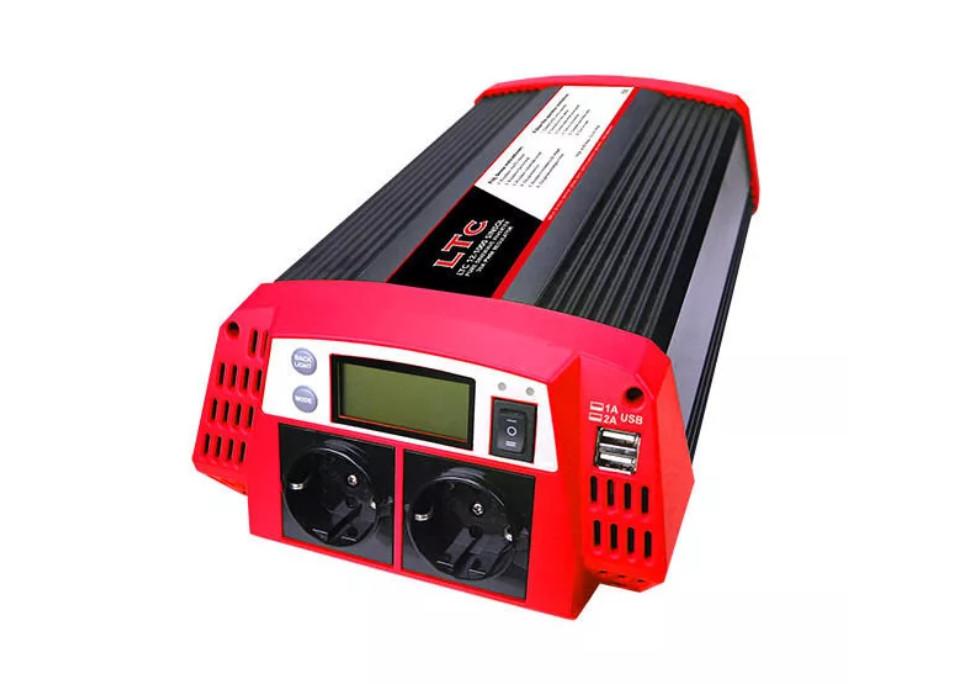
I also bought a Chinese inverter for 5,000 rubles. Its power rating on the packaging was listed as 300 watts. Inside, it turned out to be 500 watts.
It's essentially a rather unique device. On the one hand, you connect wires from solar batteryOn the other hand, it can be plugged into any outlet using a plug. This adapts to the power frequency and starts producing alternating current. This converts direct current to alternating current, resulting in 220 volts of output.
This thing only works when there's power in the grid, so it can't be used as a backup power source. But on the plus side, you don't need batteries when using it.
If you use solar panels If you're using a power grid, you don't need a battery. However, if you're planning to create an independent power station, you'll need to add 20,000 rubles and a battery.
There's another important point about the electricity meter: you can't allow solar energy to go unused. Otherwise, the meter may start spinning in the wrong direction. Or you'll end up paying more for your electricity.
It's important to ensure that all solar energy is consumed within the home; otherwise, using solar panels in the Moscow region may not be very profitable.
To monitor the energy production and consumption process, our experimenter uses a special device called Smappee. Using two transformers, the electricity can be easily monitored.
Some observation results
- Average output of solar panels is 0.66 kW/day.
- Total energy generation amounted to 239.9 kW/h.
These figures assume ideal weather conditions. But what if the weather in your region is often cloudy? In that case, simply divide the above figures by two. The calculations were created using a special calculator on the website.
Real results:
- 2015 – 5.84 kW/h.
- 2016 – 111.7 kW/h.
The final output was only 117.5 kilowatt-hours. The batteries were at their peak efficiency from April to August, generating over 70% of the electricity.
The solar panels were angled at 45 degrees and facing south.
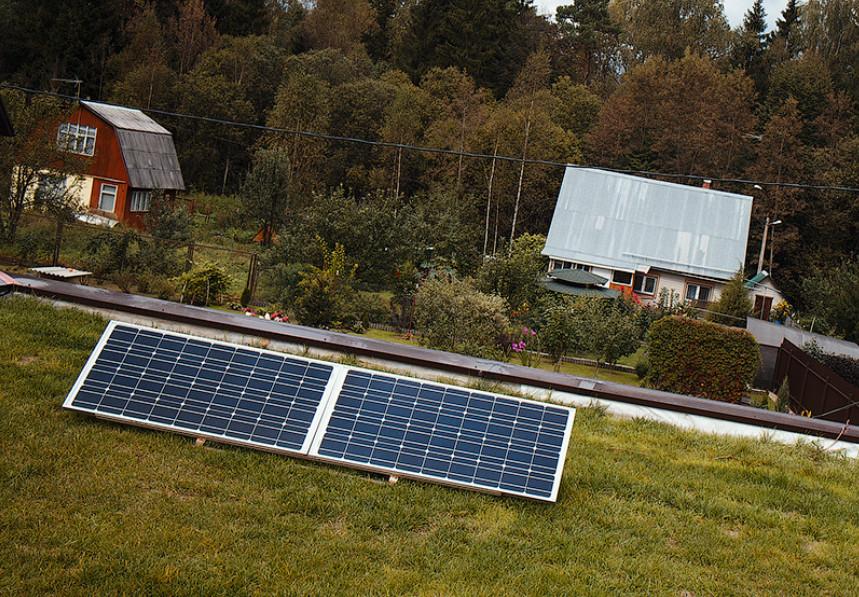
Snow is a problem in winter. There are two solutions:
- Every time it snows, go and clear them by hand.
- Place the batteries almost vertically.
In total, the entire installation cost 20,500 rubles. If electricity rates remain the same, the photosensitive panels will pay for themselves in 32 years! 😊
Fitting solar modules onto your roof will be beneficial if your home is located deep in the taiga.
This is the experience of using solar panels in the Moscow region.
This material is written based on data taken from this article: https://koyger.livejournal.com/73614.html