Not long ago, humanity said goodbye to the Soviet era. The government has changed, but memories of the past remain. Some are nostalgic for those bright and pure times, while others recall the batteries the USSR used to have.
Back then, there weren't many manufacturers, and they were mostly just household names. Now, most people know about batteries. Duracell, Energizer, Kodak, Varta, GPand a bunch of others.
Types of Soviet batteries
Below are photos, names and brief descriptions of Seseser's energy sources.
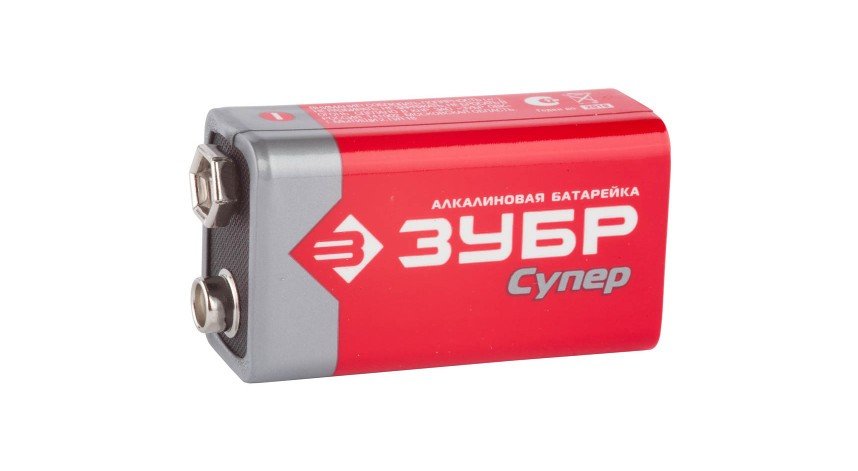
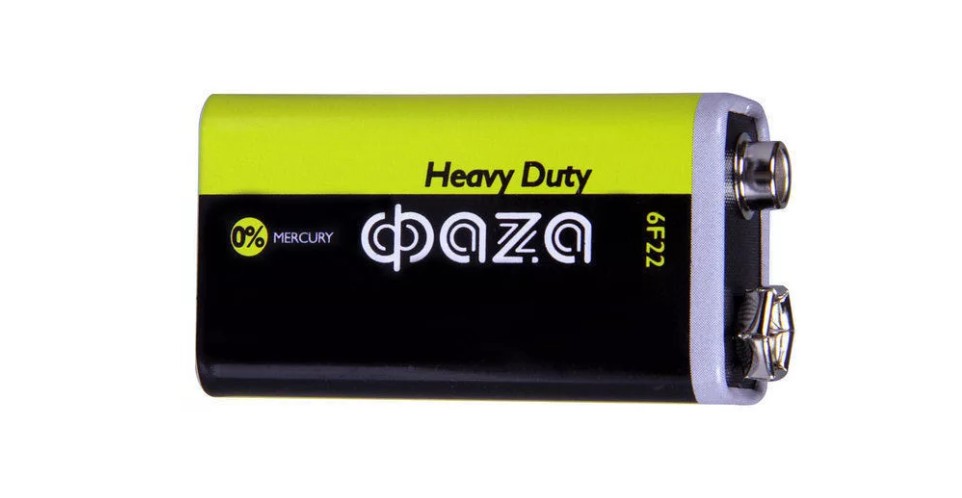
Corundum, Krona, or 6f22 battery
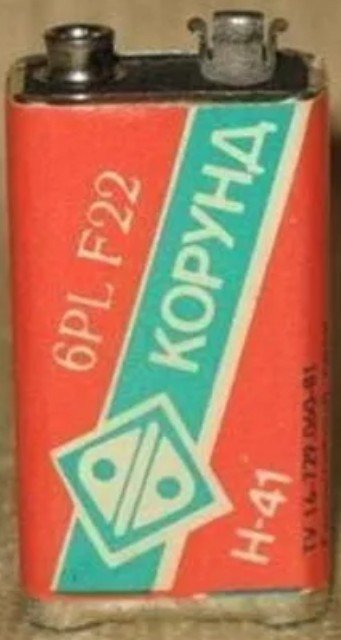
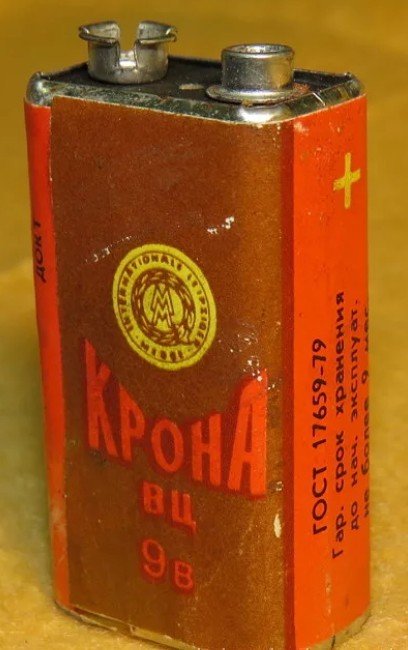
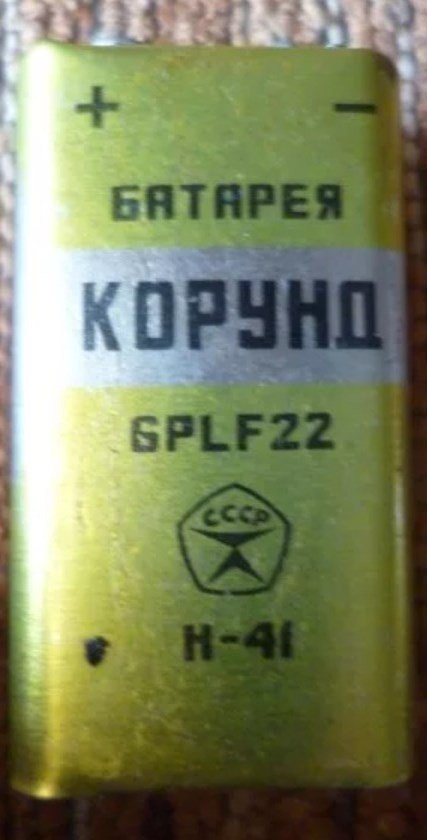
Voltage 9 volts.
Size 48.5 × 26.5 × 17.5 Parameters may vary.
Used in measuring instruments, toys, medical equipment.
It is made using metal, chemicals, and paper. Read more about she's here!
To date, its modification has remained virtually unchanged.
An analogue is any similar modern element: GP, Pleomax, VARTA, Duracell, etc.
About Corundum it is also written here: https://battery-en.techinfus.com/batarejka-korund-iz-dalekogo-sovetskogo-sojuza/
Square Soviet battery, 3336 or 3R12
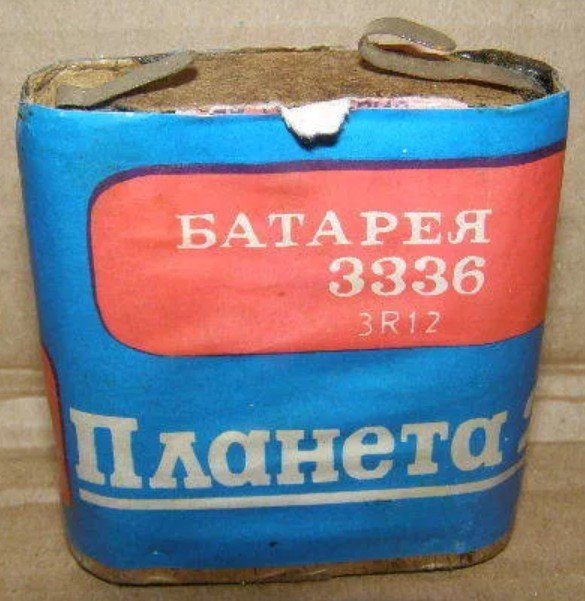
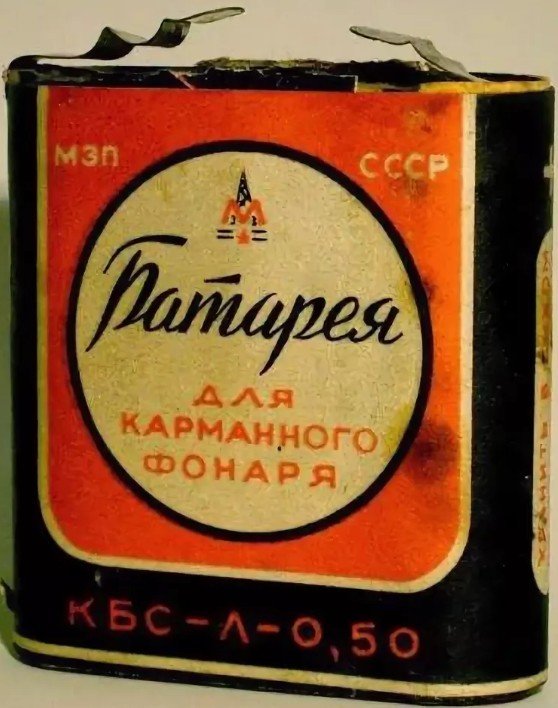
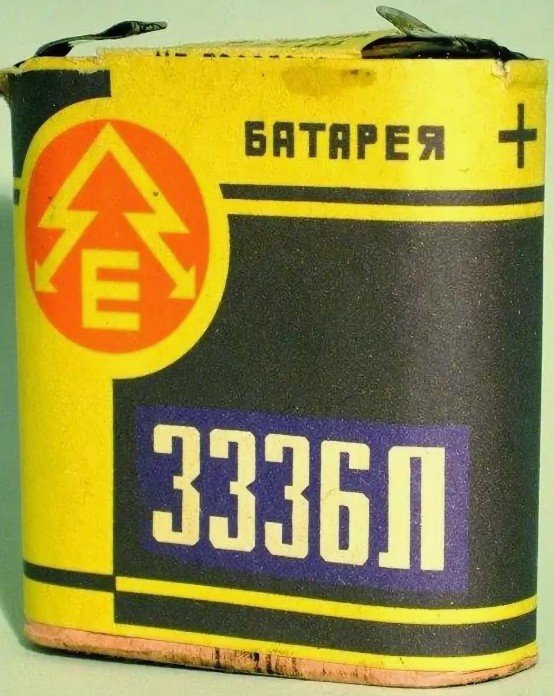
The USSR battery had a voltage of 4.5 V. It was used for flashlights, radios, and toys. The expiration date was marked at 6 months. A sticker was placed on top that read, "Do not remove without checking." The dimensions are approximately the same as modern batteries: 67 mm high, 62 mm wide, 22 mm thick. They weigh approximately 170 grams. Their capacity is approximately 500 mAh. These batteries can be stored for up to 10 years.
In the Soviet Union, this battery was called KBS, meaning "dry cell battery" for flashlights. It was also known by the names Planeta and Rubin.
Analogues: Trophy, Varta, Daewoo, Space and others of this type.
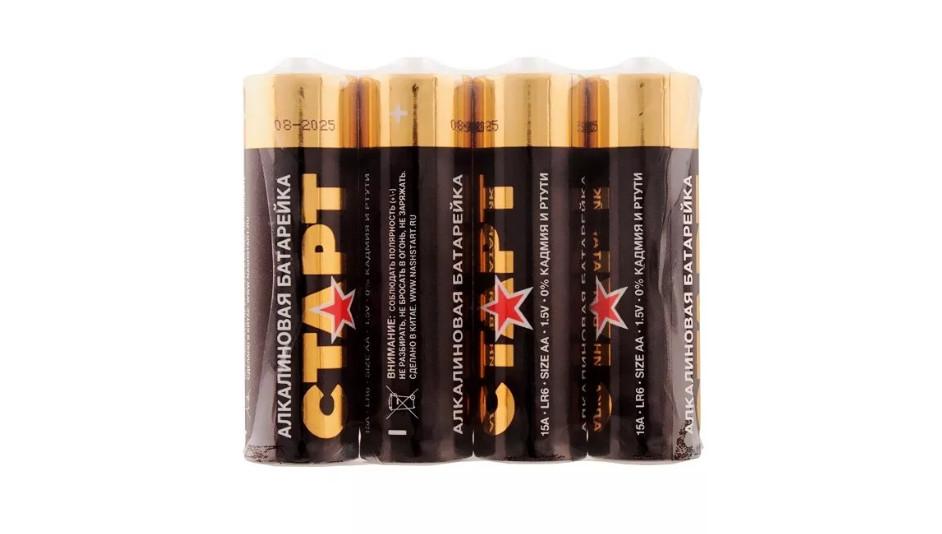
Finger or R6
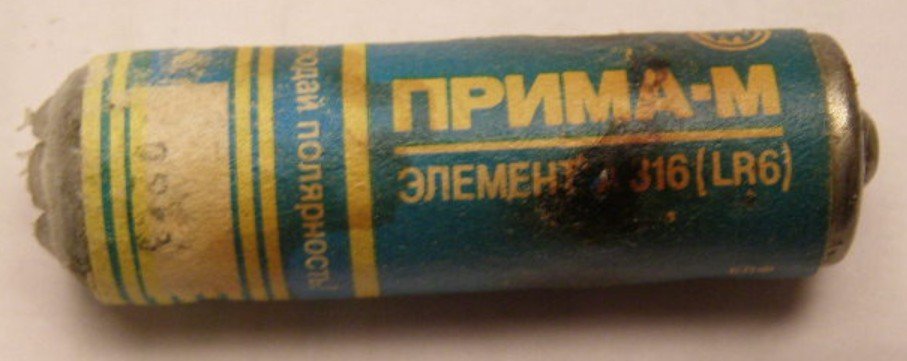
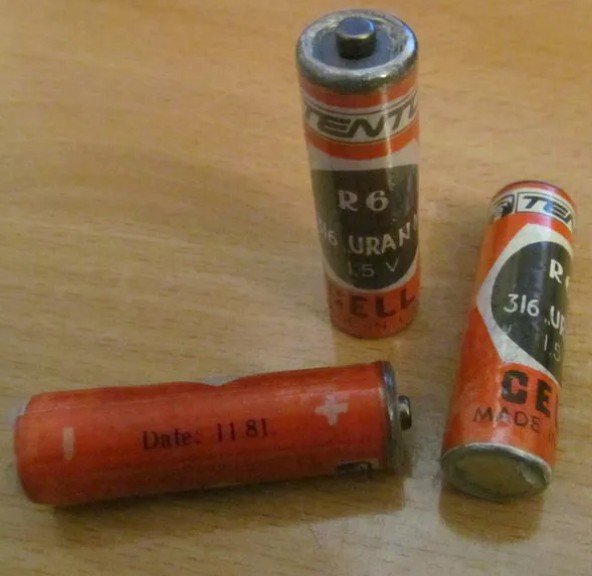
A standard 1.5-volt battery. Used in a variety of electronic devices, including toys, flashlights, and camping gear.
There are currently a large number of similar power sources. Any battery of the same format can serve as an analog.
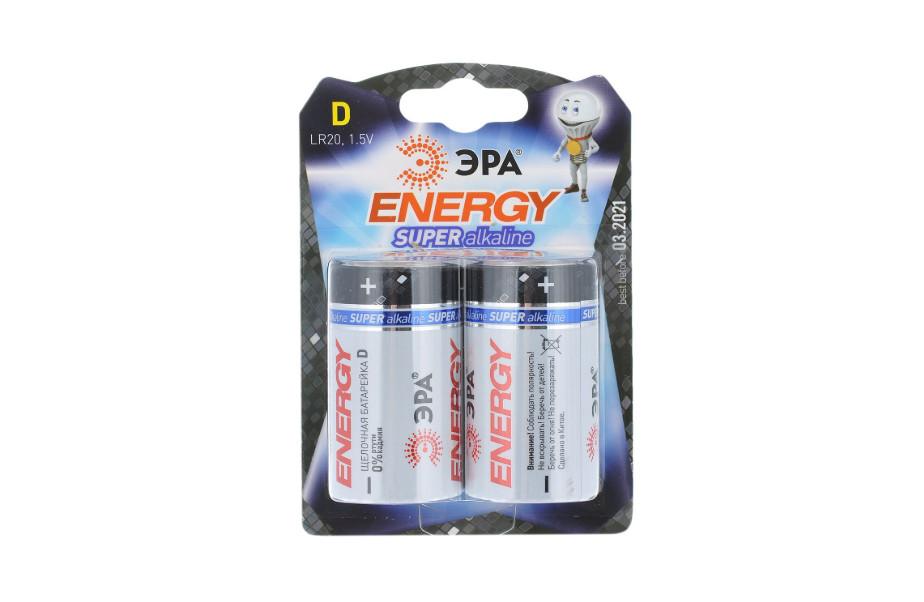
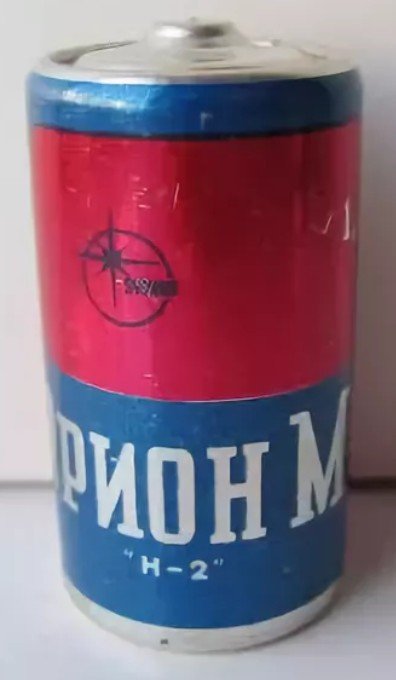
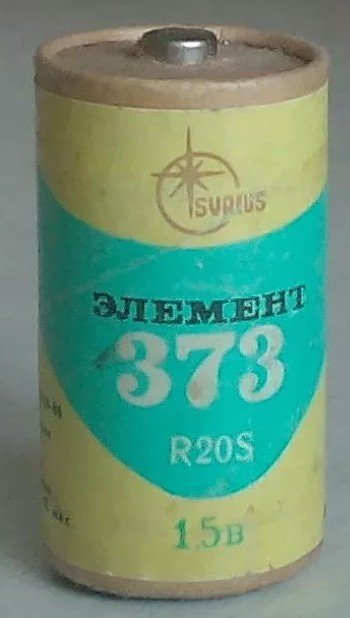
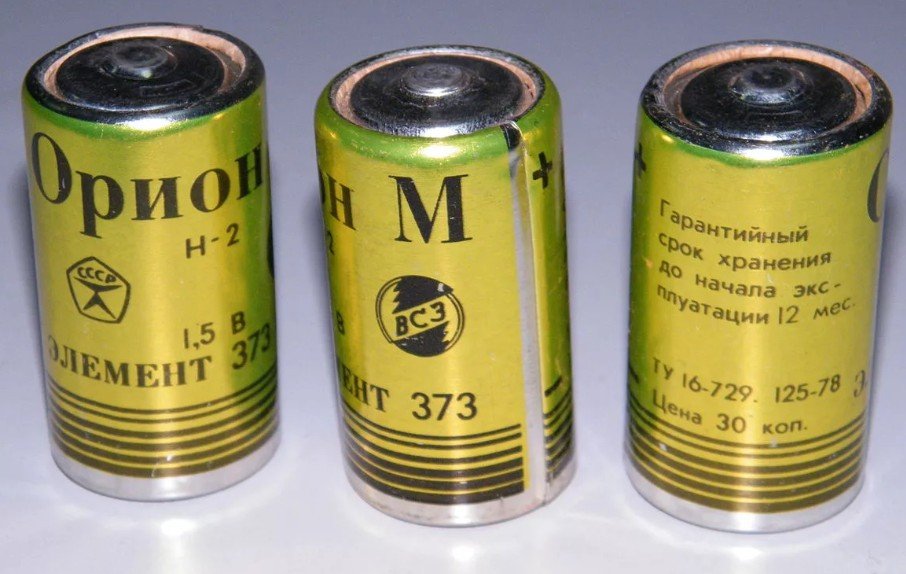
Large barrels or 373
These batteries are used in tape recorders, flashlights, receivers, and remote controls.
Their primary voltage is 1.5 volts. They can be stored for 12 months before use. They were sold for 0.30 kopecks.
There's nothing special about the analogs either. The main thing is that the size and voltage match.
Battery power element 7d-01
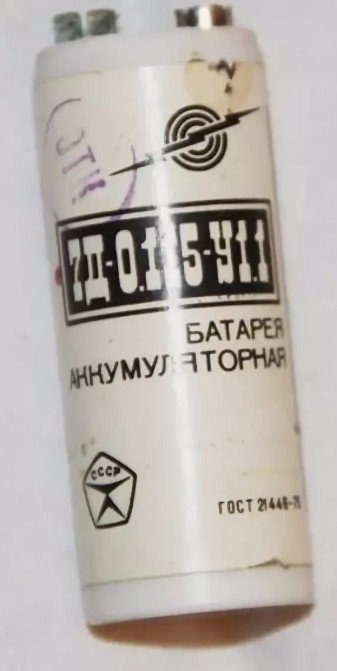
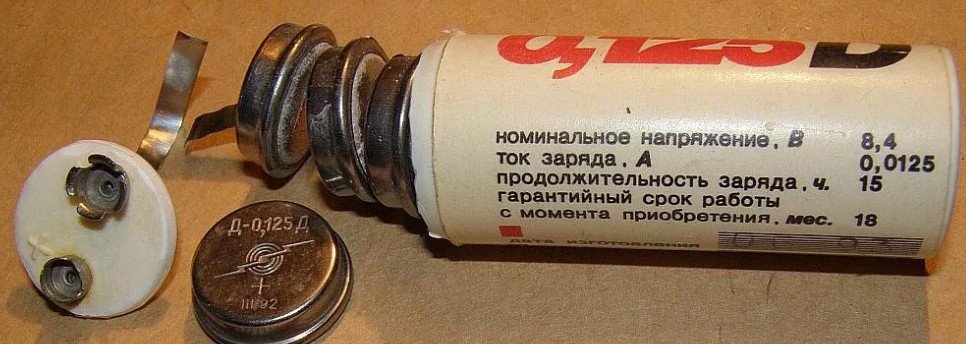
The main advantage of this power source is its multiple recharges. The label states that it takes 15 hours to charge at 0.0125 mAh. The nominal voltage is 8.4 volts. This power source could be used for radios, cameras, and other Soviet equipment.
145 U – dry
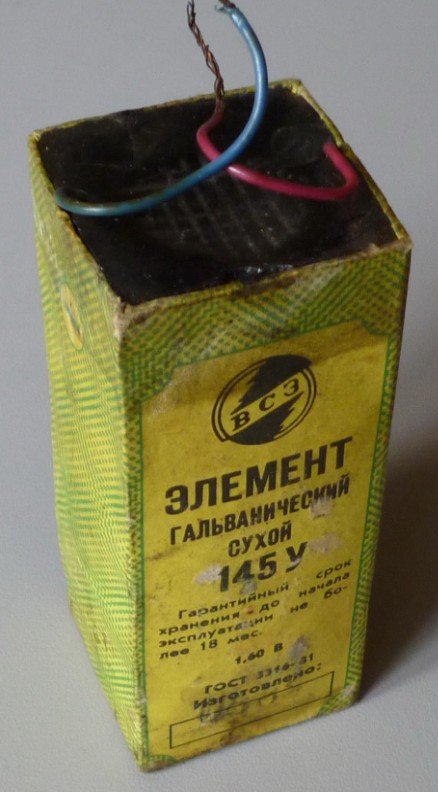
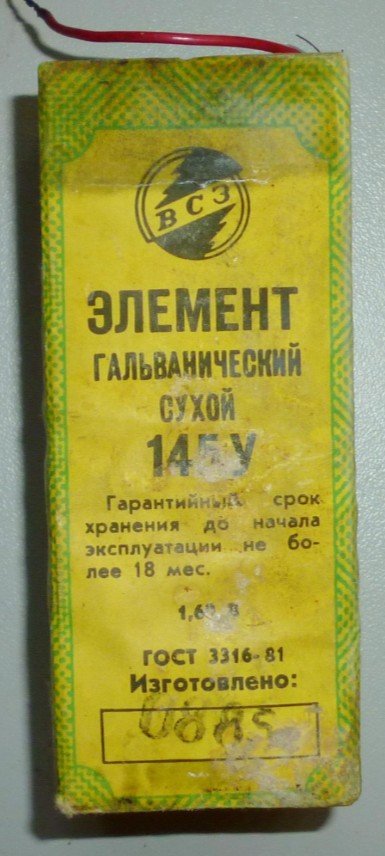
This is a rather rare 1.6-volt battery. Manufactured between 1981 and 1985, it's used in various electronic devices and can last up to 18 months. This is a true record for a Soviet battery!
There is also information about this energy source here: https://battery-en.techinfus.com/jelement-pitanija-145u/
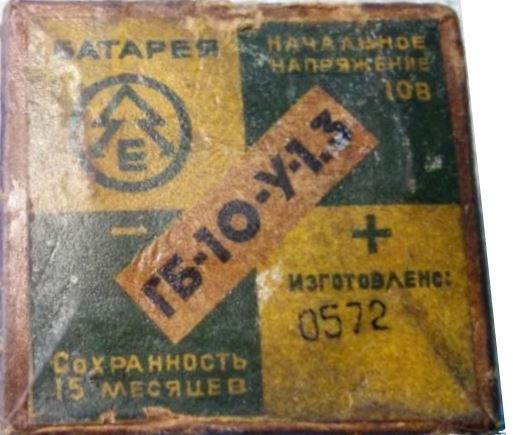
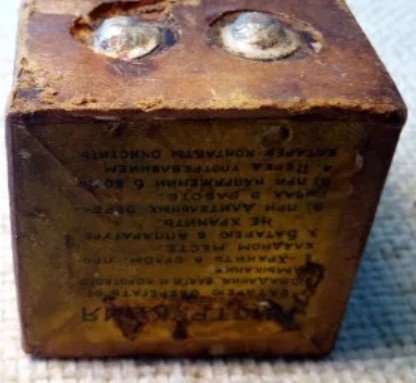
GB-10-U-1.3
Another extremely rare battery, released in 1972. Voltage is 10 volts. It was used in various equipment and could be stored for up to 15 months.
At the moment, nothing like this is produced anymore.
Read also about KB-1 here: https://battery-en.techinfus.com/batarejka-kb-1
Thus, Soviet batteries can still give their modern counterparts a run for their money.