The history of Kodak begins in 1881, when George Eastman and Henry A. Strong formed a partnership known as the Eastman Dry Plate Company. Three years later, the partnership grew into a corporation. Eastman set out to popularize photography. In 1888, the entrepreneurs registered the Kodak trademark, and the first camera bearing this brand was released. In 1892, the company name was changed to Eastman Kodak Co.
But, unfortunately, being a market leader, the company failed to keep up with the times and could not cope with the influx of modern technologies.
On January 18, 2012, Kodak filed for bankruptcy and was discharged in 2013.
So, starting from the production of only photographic film and cameras, the company produced:
- cameras and photo lenses;
- photographic film, photographic paper and chemicals for creating photographs;
- printers and scanners;
- photo accessories;
- movies and TV shows;
- military products;
- police equipment.
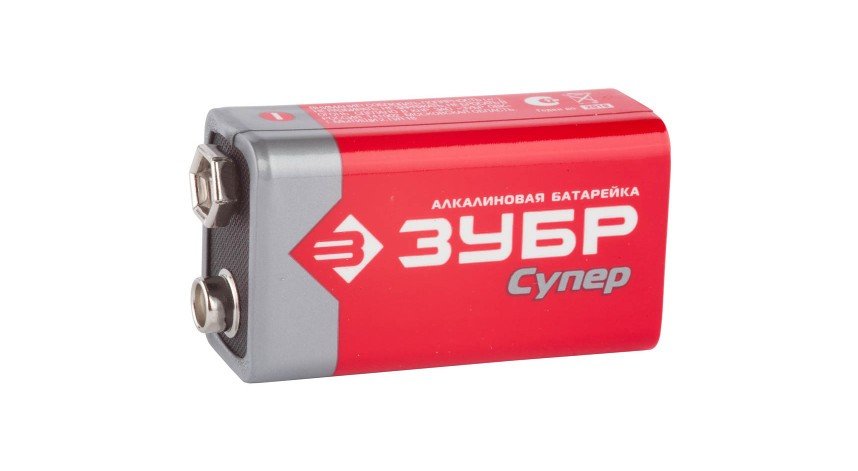
Among other things, the company also produces power supplies (batteries). Kodak embarked on this production path in 1982.
Their branded batteries come in 2 types:
- zinc;
Advantages: longer lifespan than standard zinc-carbon batteries, leak-proof, and easy to store. The most versatile option.
- alkaline (alkaline).
Advantages: high quality, longest service life, high power, long shelf life (about 7 years), no mercury, lead or cadmium additives.