The KB 1 battery complies with GOST 16529611-70. Its voltage is 1.5 volts. The manufacturer guarantees that this battery can be stored without use for 8 months. It was used in USSRFor dosimeters of the DP-63 and DP-5 types. They were produced in various versions. The VPKhR illumination flashlight also required KB 1 batteries.
These batteries are no longer manufactured today. However, many people still have equipment from that era, and they require a specific type of battery. According to the standard, they are also designated as 1.6 PMC-X-1. This marking indicates that they are instrument batteries. The electrolyte type is manganese-zinc. They can operate at sub-zero temperatures. Voltage is 1.6 V. Capacity is 1 Ah.
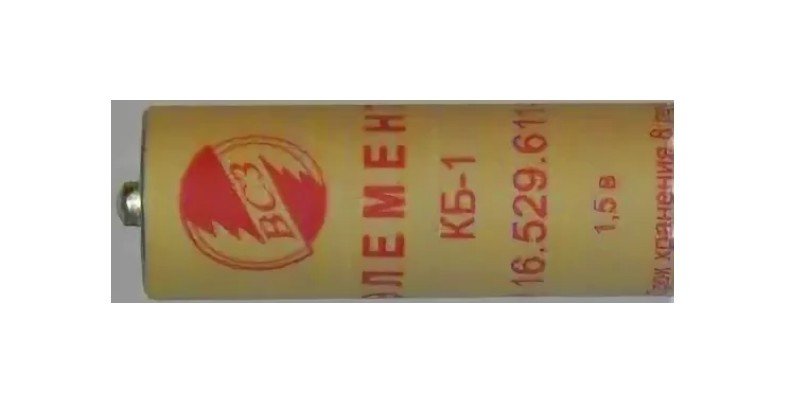
The dimensions of this cylindrical energy source are:
- Diameter 21.5 mm.
- Length 60 mm.
Energy sources of this format are not currently commercially produced. They were also in short supply in the distant Soviet era. A battery of this format could easily serve as an alternative. AA, if it is artificially increased.
Where can I get a KB-1 battery for dosimeters?
Currently, obsolete dosimeters are being phased out. And by hook or by crook, they end up in the hands of ordinary people. Ultimately, the army has no need for these devices and is getting rid of them, while the general population needs them. But batteries are not available. What to do?
Well, for example, you can attach three AAbatteries to the device body or place them inside, connecting them according to polarity.
The DP-5 is powered by two batteries. The third one provides illumination. In fact, if you're working during the day, you don't need it.
To replace the battery in the DP 63 you will have to create an adapter for batteries of the type AAYou can place it in a piece of plastic tubing or a rubberized water hose. The key is to find the right size. To ensure the battery stays firmly in place, you can wrap some electrical tape around it. Place aluminum foil or something similar where the negative pole is. You can also use a gold piece from a chocolate bar, as long as it's conductive.
If you don't want to go to the trouble, just bend the contacts in the battery compartment and that's it. However, this runs the risk of damaging them.
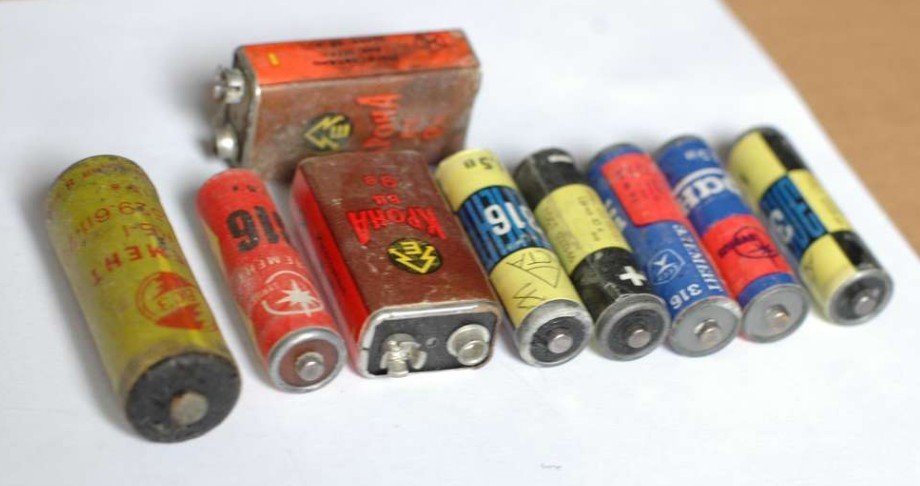
In each of these two dosimeters, you can use a stack of coins or foil as the missing conductor. However, it's important to understand that this could lead to the contacts shifting and becoming detached.
Of course, none of this will give your device a period look, so these methods aren't particularly suitable.
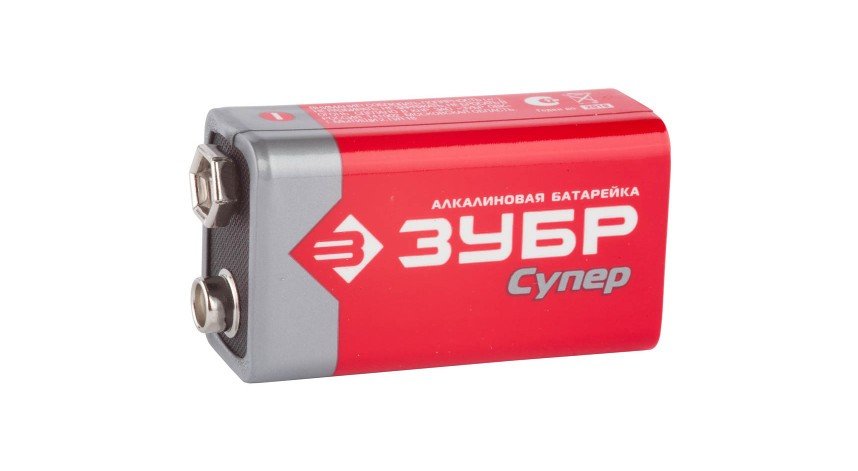
Another option is to buy a square battery of the R12 or 336 format, disassemble it and remove the required KB 1 batteries from it. These 4.5-volt power sources are produced by such modern companies as Philips, Varta, GP, Duracell.
To open these batteries, bend the contacts upward. Pry the cell cover with a knife and pull it out. Sometimes the casing is impossible to disassemble, so you'll need to use an engraver or other tool. Carefully remove the cover. Then, remove the desired batteries. If necessary, disconnect soldered wires. Use electrical tape where necessary.
Unfortunately, energy sources obtained this way are not hermetically sealed and may leak. Therefore, it's best not to store batteries in these devices. Of course, you could make a replica similar to the KB-1 for display. But to make it look perfect, you'll need to find the label. You can save the one below and print from it.
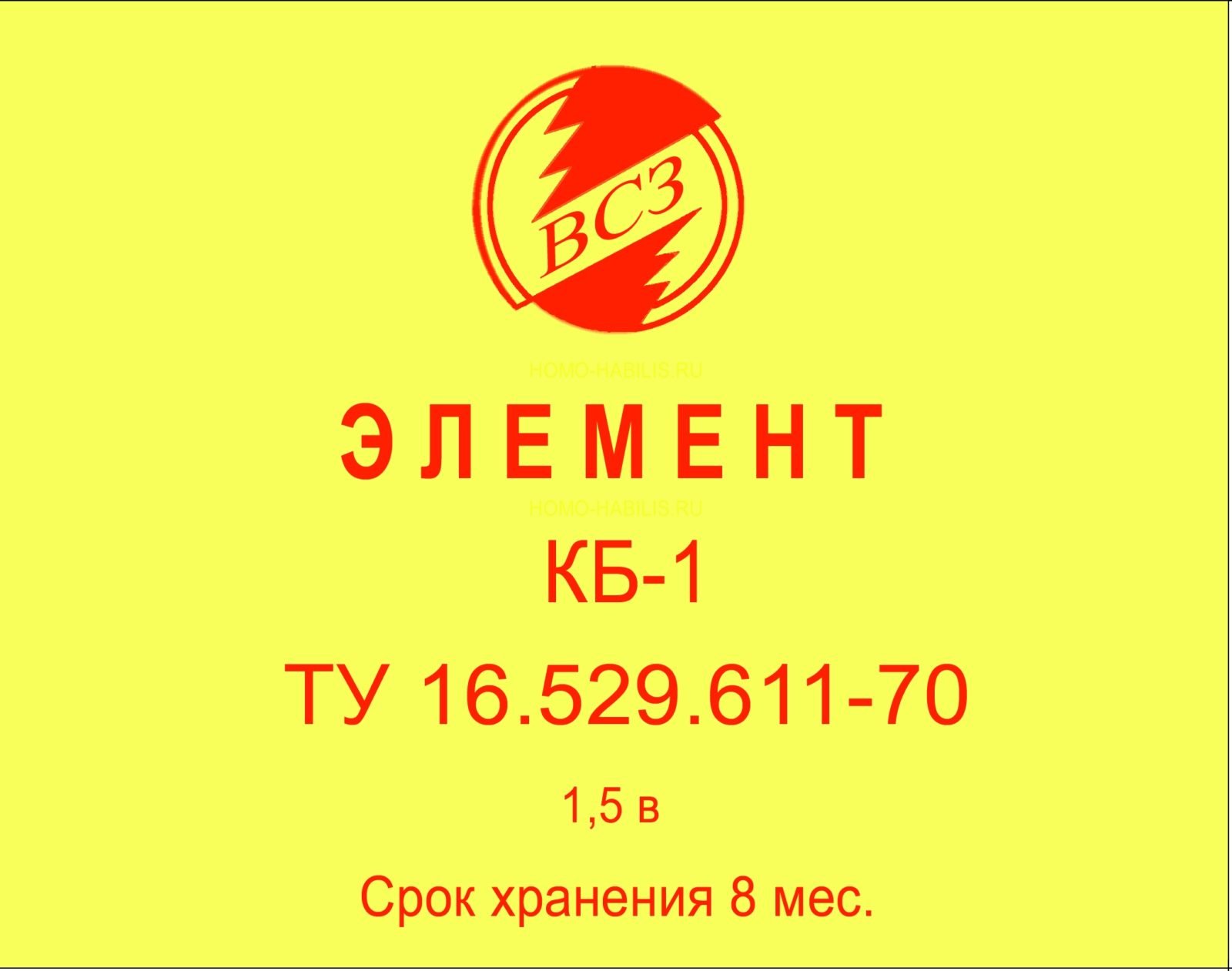
The original's colors are a bit paler, of course. If you open the image in a Microsoft graphics editor, you can play with the colors to achieve the desired look.