It turns out you can create a battery from an ordinary potato. What's more, this energy source can easily power an LED light bulb. A single potato produces about 0.9 volts. So, connecting several tubers in series produces the required amount of electricity.
The main drawback of this setup is its low current output. Therefore, to power something larger, the current output would have to be increased significantly.
How to make a battery from a potato?
To make a power supply from this vegetable, you just need to take:
- 1 potato.
- Zinc plate, galvanized nail/screw, or wire. Choose one.
- Copper nail or wire.
- Wires.
First
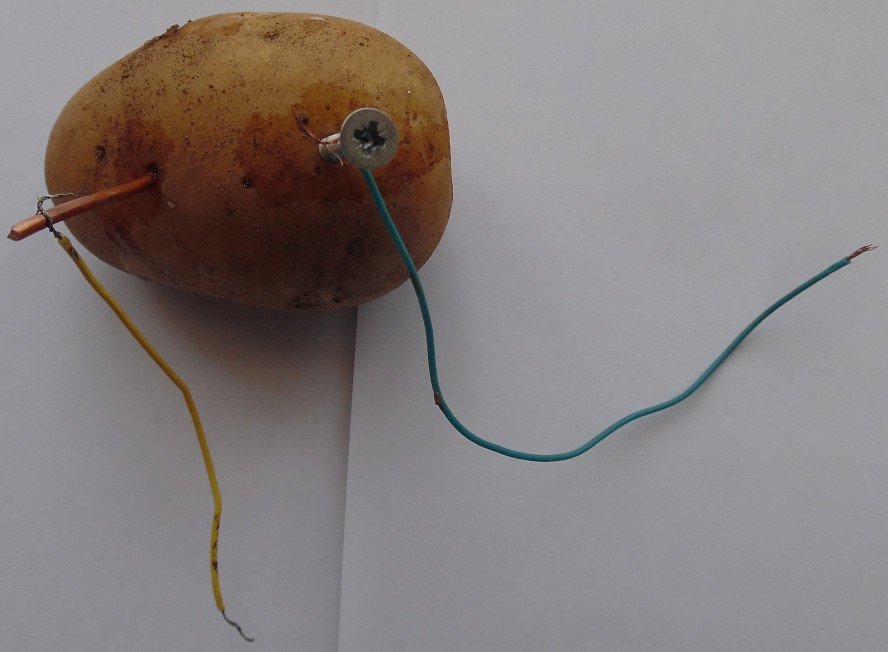
Insert copper and zinc wire into the potato at a distance of 2 cm. In reality, this does not significantly affect the voltage level.
Second
Connect the wires to our electrodes!
Third
Measure the voltage level. It typically fluctuates between 0.80 and 0.92 volts.
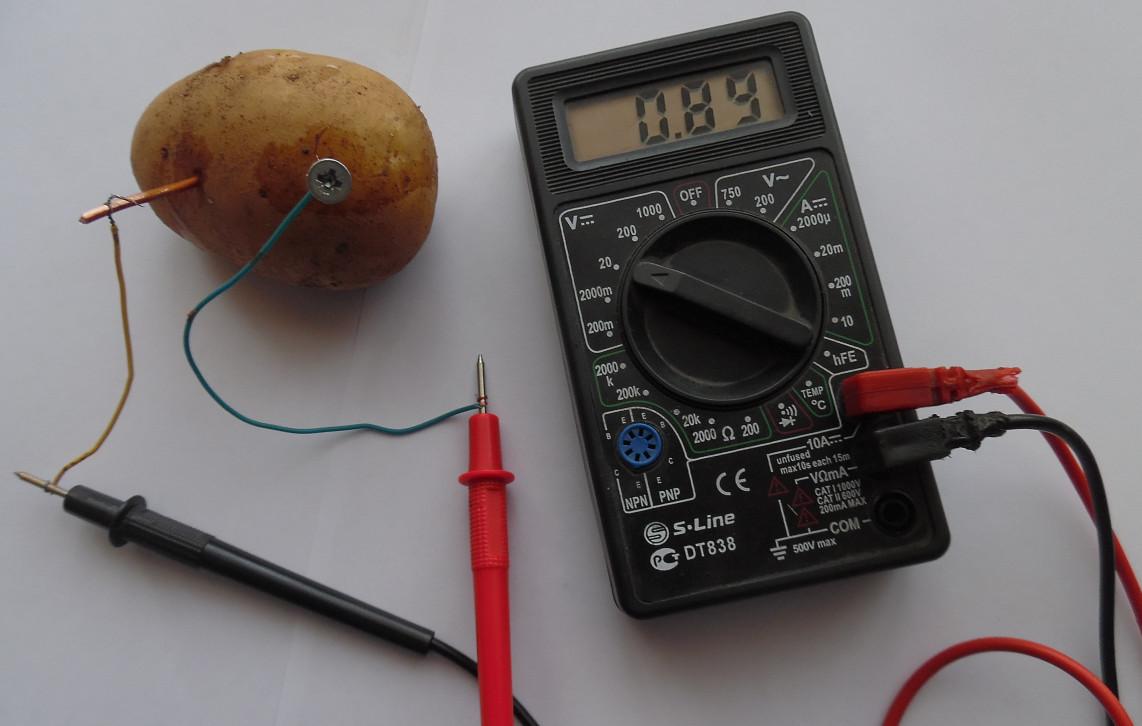
Unfortunately, this voltage won't even light an LED. To make a lamp glow, you'll have to build a larger setup.
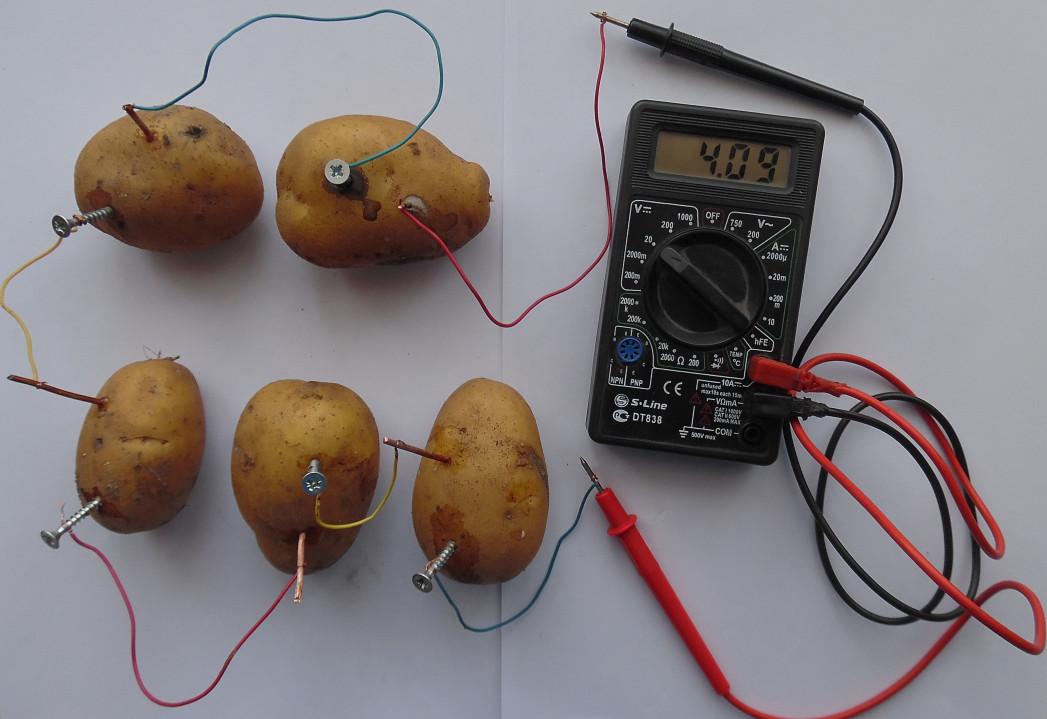
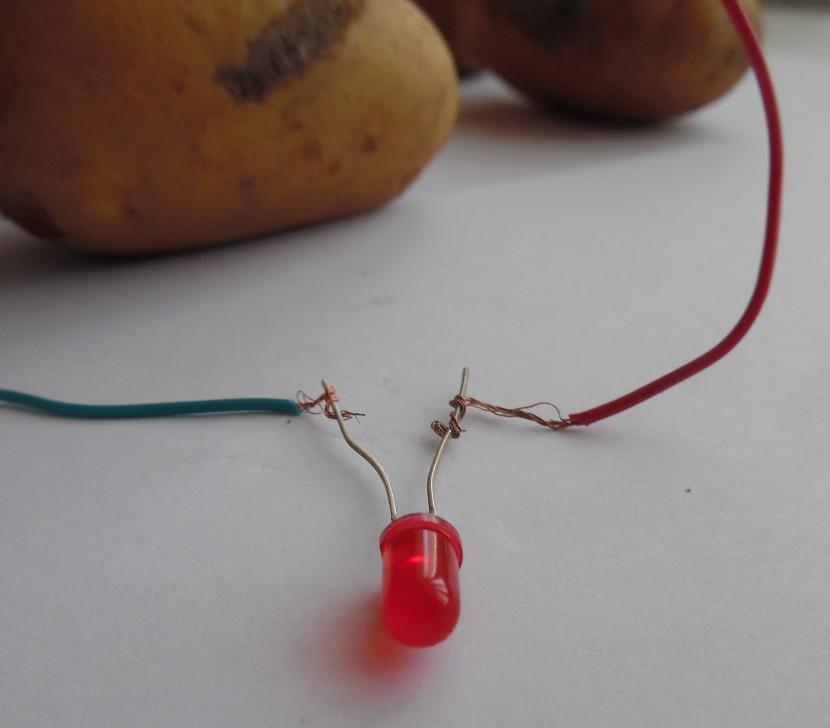
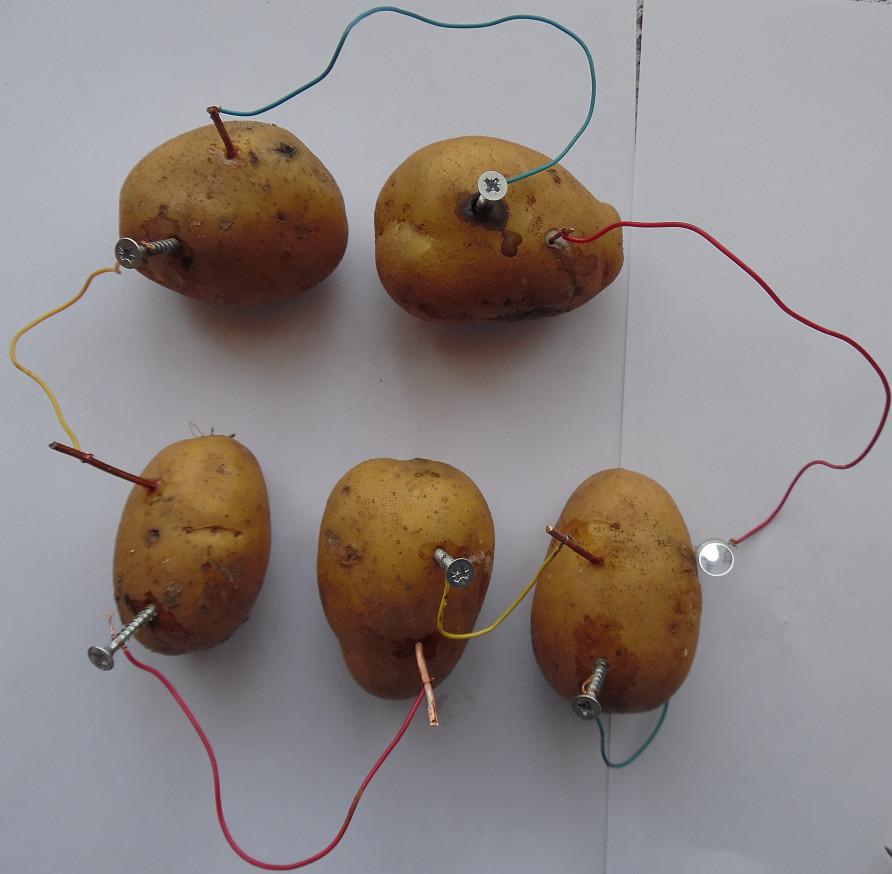
Below is presented serial connection5 potatoes. The unit produces about 4 volts. The LED glows dimly. But it works!!!!!!
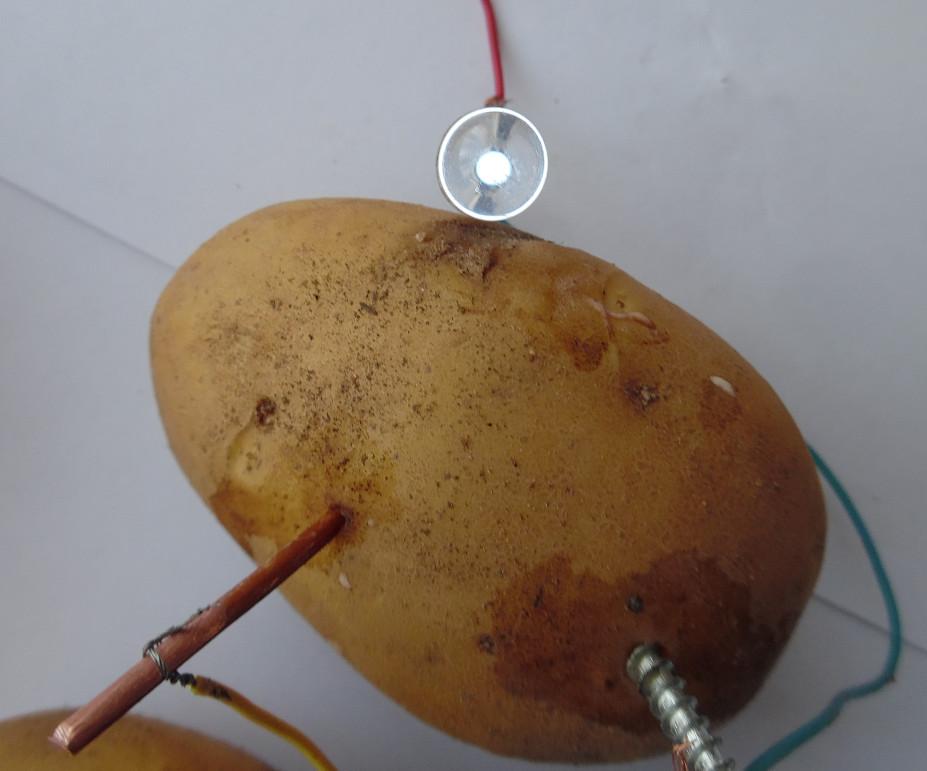
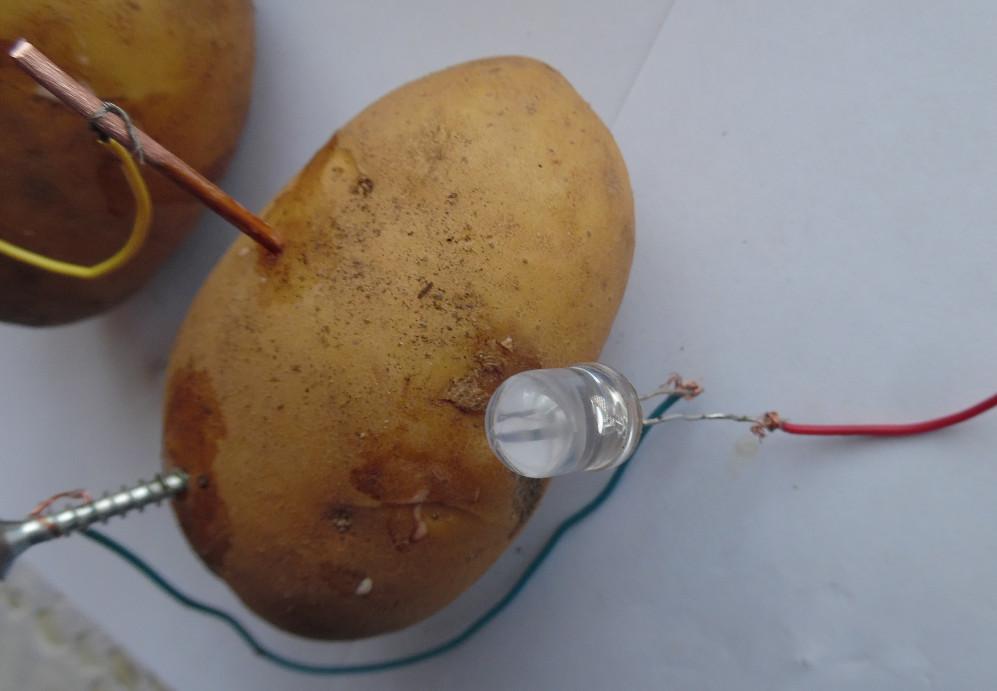
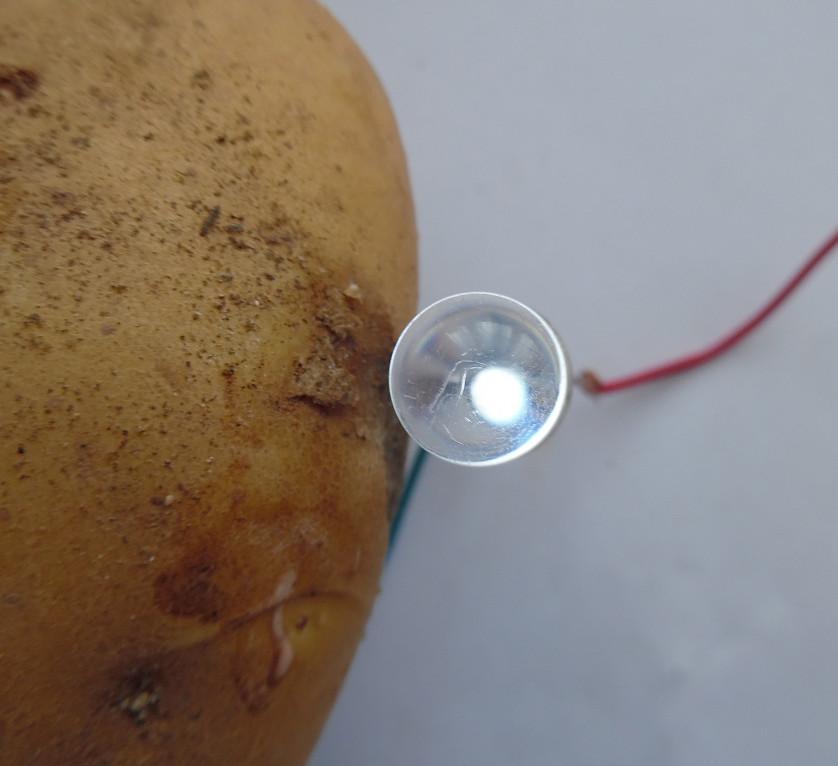
The video shows how a battery made from 400 potatoes was assembled. It was used to power a 130-volt light bulb!
Thus, the potato battery has a right to exist!